In an era where uncertainty seems to be the only constant, many people have begun carving out new avenues for joy and satisfaction. As job markets wobble and global events flip from calamity to crisis, the way we spend our money is subtly shifting. This shift doesn’t necessarily look like the splurging binges of yesteryear …
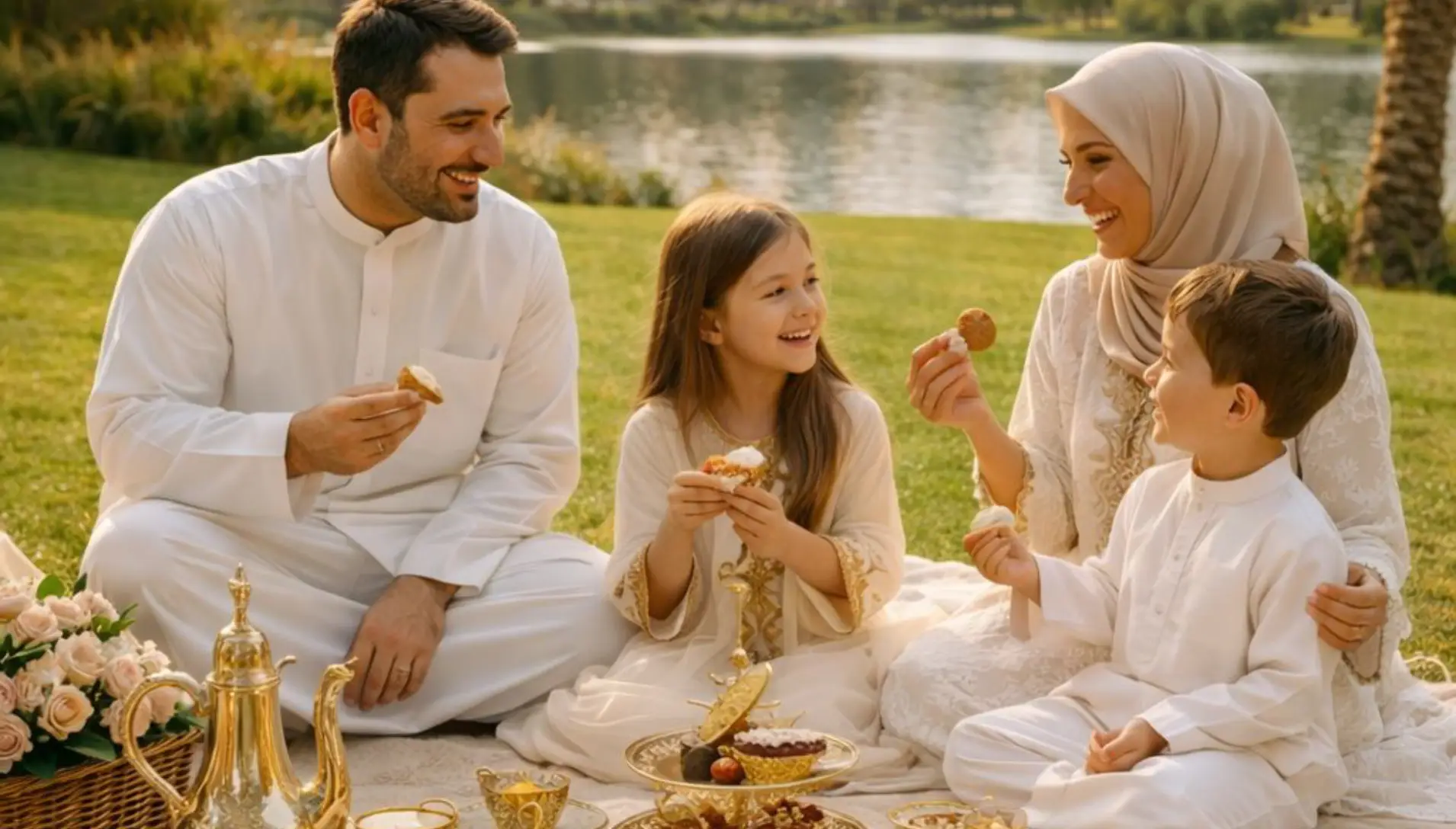
In an era where uncertainty seems to be the only constant, many people have begun carving out new avenues for joy and satisfaction. As job markets wobble and global events flip from calamity to crisis, the way we spend our money is subtly shifting. This shift doesn’t necessarily look like the splurging binges of yesteryear but instead resembles a quiet rebranding of indulgence – welcome to the small-treat economy.
Snacks: Sweet and Savory Solace
The instinctive reach for a snack during times of stress is often more significant than just satisfying a craving. Studies have shown that certain foods can indeed have a comforting psychological effect, releasing dopamine and other neurochemicals associated with happiness and satiety. In the small-treat economy, snacks have transcended their usual place as peripheral players in our diet to become central comfort items.
Data from the snack industry report continued growth, even as other sectors see tightening belts. Sales of premium chocolate, artisanal crisps, and exotic treats are surging, ushering in a new wave of culinary adventure that’s mostly enjoyed from the comfort of home.
Case in point: Consider the health-conscious but indulgently decadent options like dark chocolate-covered almonds or truffle-flavored popcorn that fly off the shelves. These are not just snacks; they are small celebrations wrapped in colorful packaging, offering a brief escape from the pressures of daily life. The snack aisle in a local store has become a treasure trove of emotional upliftment—often found through modest, yet meaningful indulgence.
Beauty: Lipsticks, Masks, and Mindfulness
In the realm of personal care, the same pattern emerges. It turns out that a simple, soulful investment in one’s appearance might be more of a morale booster than initially presumed. Often, these items are more affordable remains of luxury than spa days or full makeovers, fitting comfortably into the small-treat economy.
From quick pick-me-ups like vibrant lipsticks to nurturing sheet masks that promise skin revitalization, the beauty industry is thriving on small treats. An illuminating serum or a soothing shower gel offers more than just the promise of better skin; it promises a moment of self-care and tranquility, a reminder of one’s self-worth amidst the chaotic humdrum.
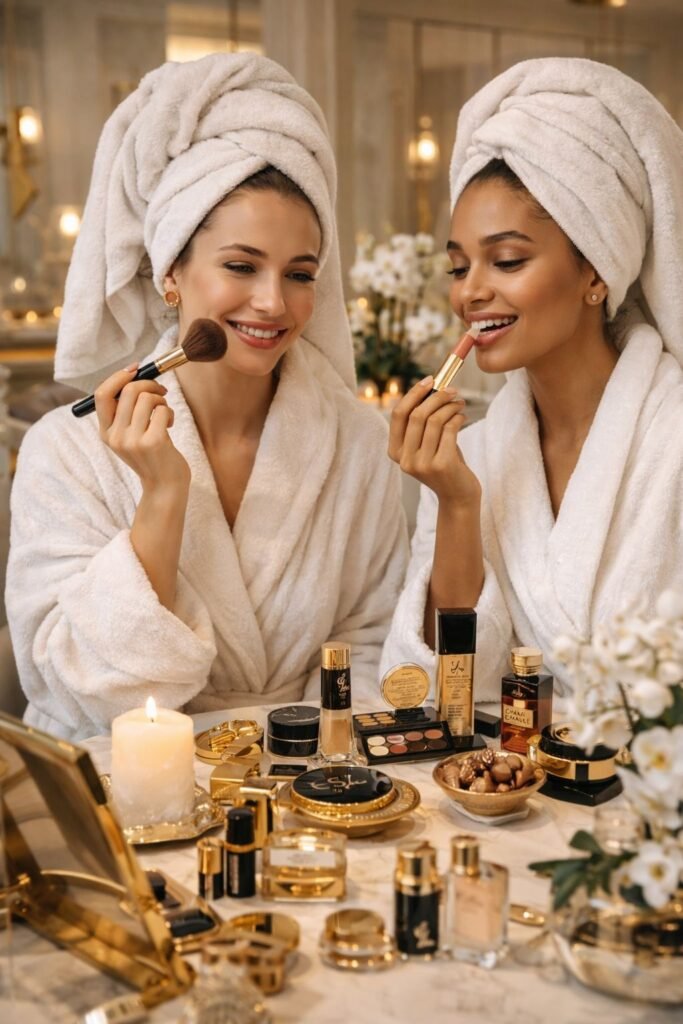
Such beauty treats are the ideal investment in oneself, costing much less than lifestyle overhauls but significant enough to lift spirits—a necessity when the world outside remains uncertain. It’s a lipstick revolution, where each swipe of color or dab of cream brings a momentary yet genuine boost to the emotional economy.
Short Trips: Micro-Adventures and Local Escapes
And then there are the short trips. The recent turbulence in travel has made insular retreats more attractive. Micro-adventures, day trips, and local explorations offer opportunities to break free from routines without the complexities of international travel amidst pandemic-related restrictions.
Think of this as tourism in the slow lane, a trend that champions backyard explorations over transcontinental flights. People are rediscovering neighborhood parks, heading to nearby beaches, or perhaps just taking a drive along scenic routes that were otherwise overlooked in pursuit of far-flung destinations.
These micro-adventures are tailored experiences, personalized profoundly because they cater to an individual or family’s needs. They are the petite sojourns that don’t uproot one’s lifestyle financially yet offer an invaluable treasure trove of memories and rejuvenation.
The Psychological Upside of Small Treats
So, why are these small treats becoming central to so many people’s spending habits? The answer lies within human psychology—our need for control, comfort, and celebration.
During times of economic uncertainty, small treat spending becomes a psychological coping mechanism that bestows a sense of control. When large purchases and investments are either financially unfeasible or emotionally unappealing due to risk, it’s these little luxuries that provide an avenue for expenditure that feels safe, secure, and rewarding.
Furthermore, in blending pleasure with mindfulness, each small treat becomes an intentional act—a reminder that happiness can be crafted with simplicity and self-awareness. People are beginning to see that their state of happiness isn’t dictated entirely by what happens in the world beyond them but can be nurtured through the choices they make and moments they relish.
Moving Forward: The Future of the Small-Treat Economy
As we continue navigating these unpredictable times, the small-treat economy is poised to grow more integral to personal wellness and happiness. This economic shift signifies not just a change in consumer habits, but a cultural realignment—a reminder that joy need not be grandiose.
Snacks, beauty products, and short trips are helping to reshape our understanding of lifestyle spending, offering a fresh outlook on self-care that balances gratification with prudence. Ultimately, the underlying message is clear: even in times of uncertainty, little things can yield lasting happiness.
In conclusion, by embracing these small treasures, we are making a statement—a declaration that joy, tranquility, and self-preservation are accessible each day, one small treat at a time. It’s a quiet resilience laced with sweetness, aroma, and beautiful vistas, proving that life’s luxuries need not be extravagant to be enriching.