
In today's hyper-connected world, where technology is enmeshed in every facet of our lives, the digital landscape is undergoing a seismic shift. Countries around the globe are beginning to map out innovative paths toward achieving digital independence, aiming to reduce their reliance on monolithic Western tech giants like Google, Facebook, and Amazon. This strategic movement …

In today’s hyper-connected world, where technology is enmeshed in every facet of our lives, the digital landscape is undergoing a seismic shift. Countries around the globe are beginning to map out innovative paths toward achieving digital independence, aiming to reduce their reliance on monolithic Western tech giants like Google, Facebook, and Amazon. This strategic movement not only redefines the global tech ecosystem but also raises profound questions about sovereignty, security, and the future of innovation.

Unearthing the Digital Dependency
For decades, the dominance of Western tech platforms has been nearly unassailable, with companies from Silicon Valley leading the charge in shaping global digital narratives. This supremacy has given these corporations considerable control over data flow, access, and technological standards worldwide. However, the tide is shifting as nations awaken to the perils of such dependency — from concerns over data privacy and security to the stifling of domestic innovation and economic growth.
Countries now seek alternatives as a matter of necessity, not just choice. At the heart of this push for digital sovereignty is a desire to regain control over national data and technological infrastructure, thus fostering a more balanced and competitive digital environment.

The Rise of Regional Players
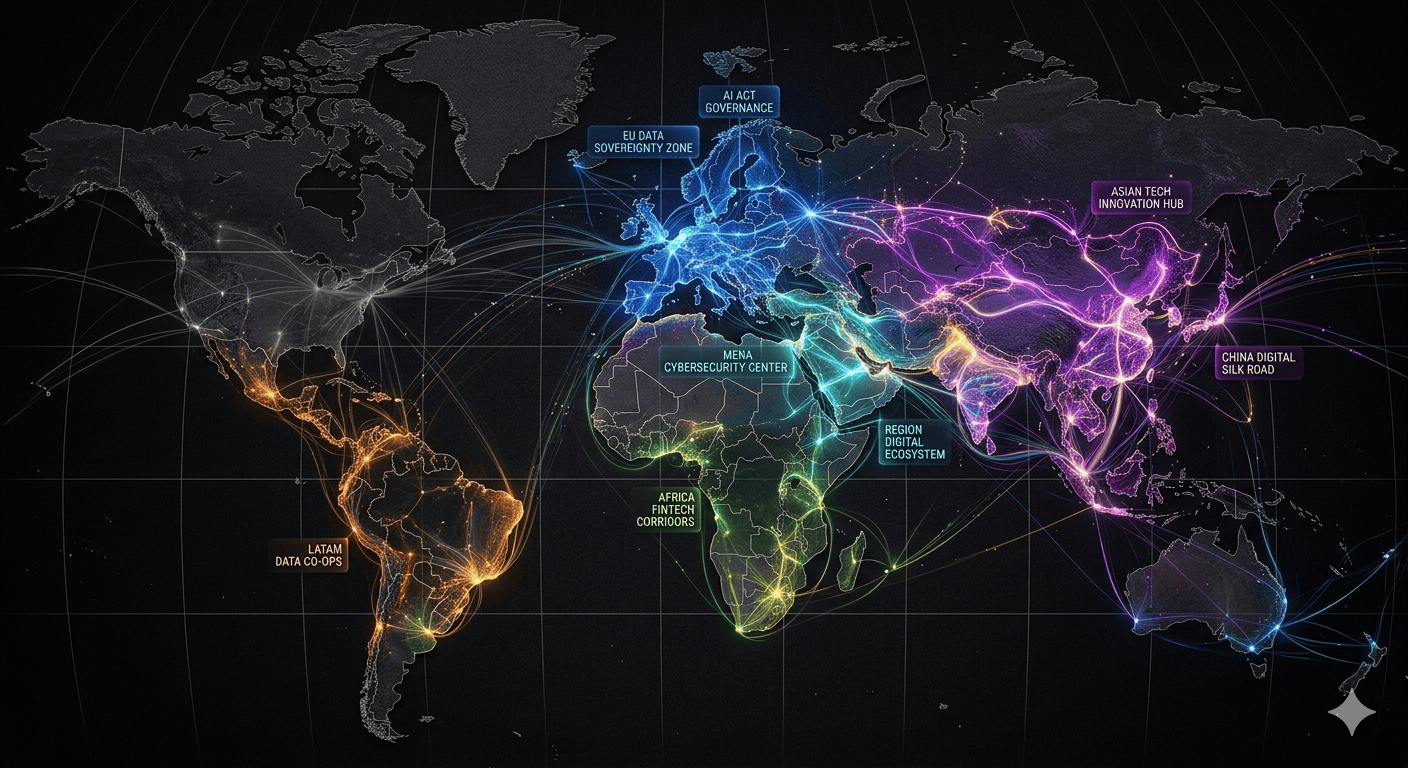
In Europe, the pushback against the tech hegemony is visible through legislation like the General Data Protection Regulation (GDPR), which set a global benchmark for data protection and privacy. GDPR’s impact extends beyond Europe, compelling international companies to adopt stricter data practices worldwide.
Moreover, the European Union has invested significantly in projects like Gaia-X, a collaborative initiative seeking to create a federated data infrastructure that ensures data sovereignty for EU citizens. Such projects are pivotal in establishing a competitive landscape where European businesses can thrive without being overshadowed by extra-continental counterparts.
Asia, too, is witnessing an unprecedented drive towards technology autonomy. China, often labeled as the pioneer in this realm, has developed an extensive digital ecosystem independent of Western companies. Through services like Baidu, Alibaba, and Tencent, China has successfully created an interwoven network of applications and platforms that rival global industry leaders.
India is similarly charting its course with initiatives such as “Digital India,” which aims to position the nation as a leader in the digital space. By promoting indigenous technological development, encouraging local talent, and mandating data localization, India hopes to reduce its reliance on foreign entities and spur homegrown innovation.
The Middle Eastern Tech Ambitions
In the Middle East, countries like the United Arab Emirates and Saudi Arabia are investing heavily in their tech landscapes. Dubai has emerged as a tech innovation hub, with a particular focus on blockchain technology, nurturing startups that can potentially provide alternatives to Western-dominated platforms.
Saudi Arabia’s Vision 2030 articulates ambitions beyond oil revenues, hinging on developing futuristic cities like NEOM—powered by cutting-edge tech innovations. By transforming itself into a knowledge-based economy, the region aims to be a key player in the global tech map.
Obstacles and Opportunities
While the pursuit of digital independence is admirable, it isn’t without challenges. Building a robust technological infrastructure from the ground up demands massive investments in research, development, and talent acquisition. Moreover, geopolitical tensions can palpably impact collaboration and the free flow of technological exchange.
Yet, these obstacles also present unique opportunities. The push for regional platforms can lead to a diversified global tech landscape, fostering healthy competition that spurs innovation and leads to more tailored and sustainable technological solutions.
Additionally, smaller countries striving for digital independence can learn from each other, sharing technological advancements and strategies that have proven successful elsewhere. This kind of lateral cooperation can ignite a new era of collaboration that transcends traditional geopolitical alliances.
Blazing a Trail Forward
A future with multiple regional tech hubs offers a tantalizing prospect. In such a scenario, innovation is driven not by a few unelected mega-corporations but by a diverse array of players offering broader perspectives and solutions tailored to local needs. As nations forge their paths toward digital independence, they do more than just reclaim their data—they reinforce the notion that tech should serve the people, respecting regional values and needs.
Ultimately, the movement towards digital independence marks the beginning of a new chapter in the digital age. As the old tech order is being challenged and redefined, the resulting multiplicity of voices in the tech dialogue promises to usher in an era of unprecedented innovation and empowerment. The map may be redrawn, but the journey to this new horizon holds the promise of a richer, more inclusive global digital future.