
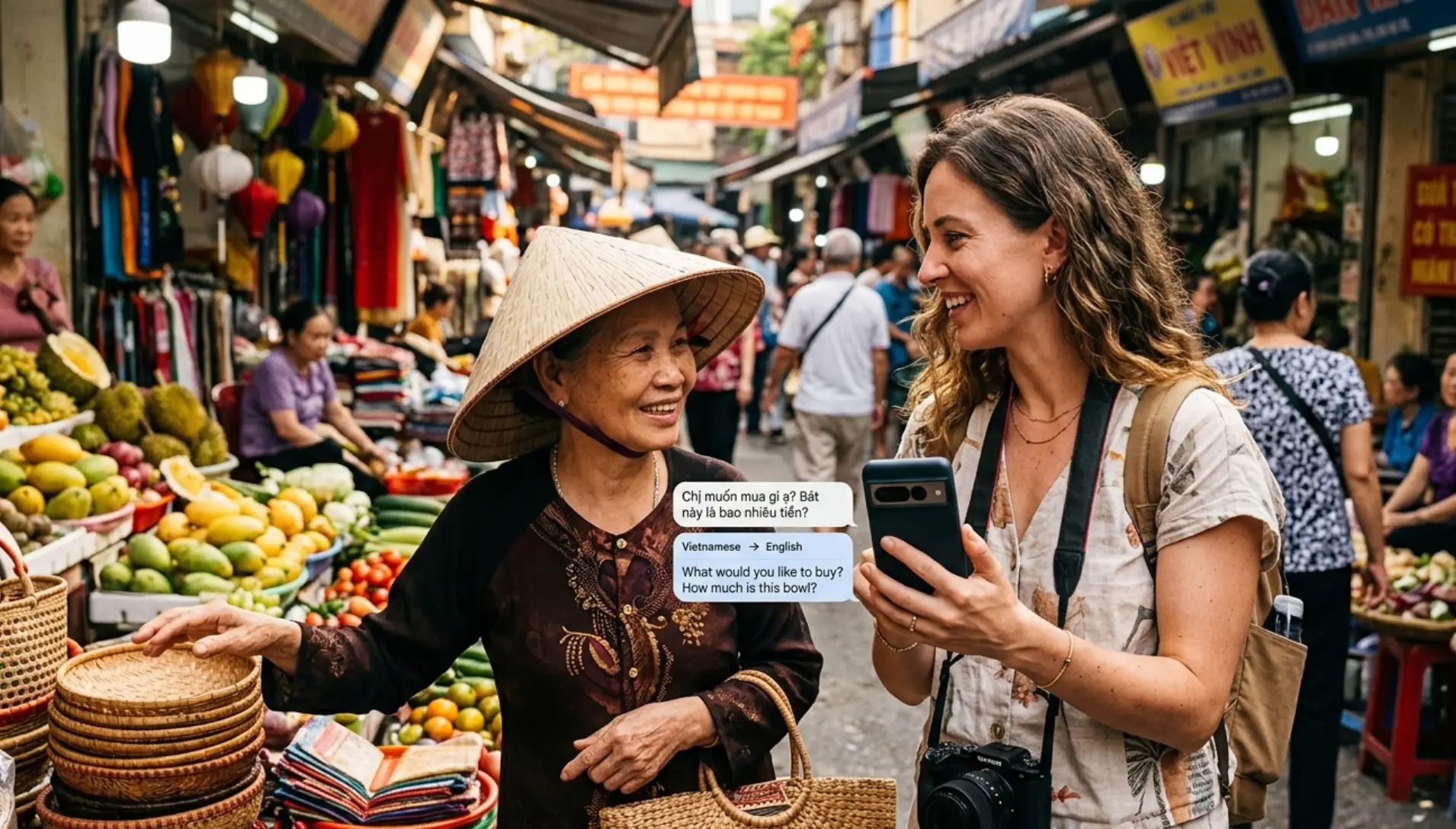
One of the most profound ways technology supports global exploration is through real-time translation. Language barriers, once a significant deterrent to unhampered travel, are slowly dismantling.
A New Era for Travelers
Gone are the days of flipping through hefty guidebooks or stumbling through foreign languages with pocket-size dictionaries. In today’s interconnected world, technology is not just a part of travel; it’s transforming every aspect of the journey. From planning the perfect itinerary to communicating in a myriad of languages, AI-powered tools and real-time translation technologies are leading this revolution, providing travelers with opportunities to explore like never before.
The Advent of AI-Powered Travel Planning Tools
Imagine a world where planning a vacation is as simple as telling your travel assistant what you like and watching the magic unfold. Thanks to artificial intelligence, this is becoming a reality. AI-powered travel planning tools analyze vast amounts of data to curate genuinely personalized trips. Whether it’s recommending destinations based on your interests, finding the best flight deals, or picking a quaint little bed and breakfast in an off-the-beaten-path location, these digital concierges make planning seamless.
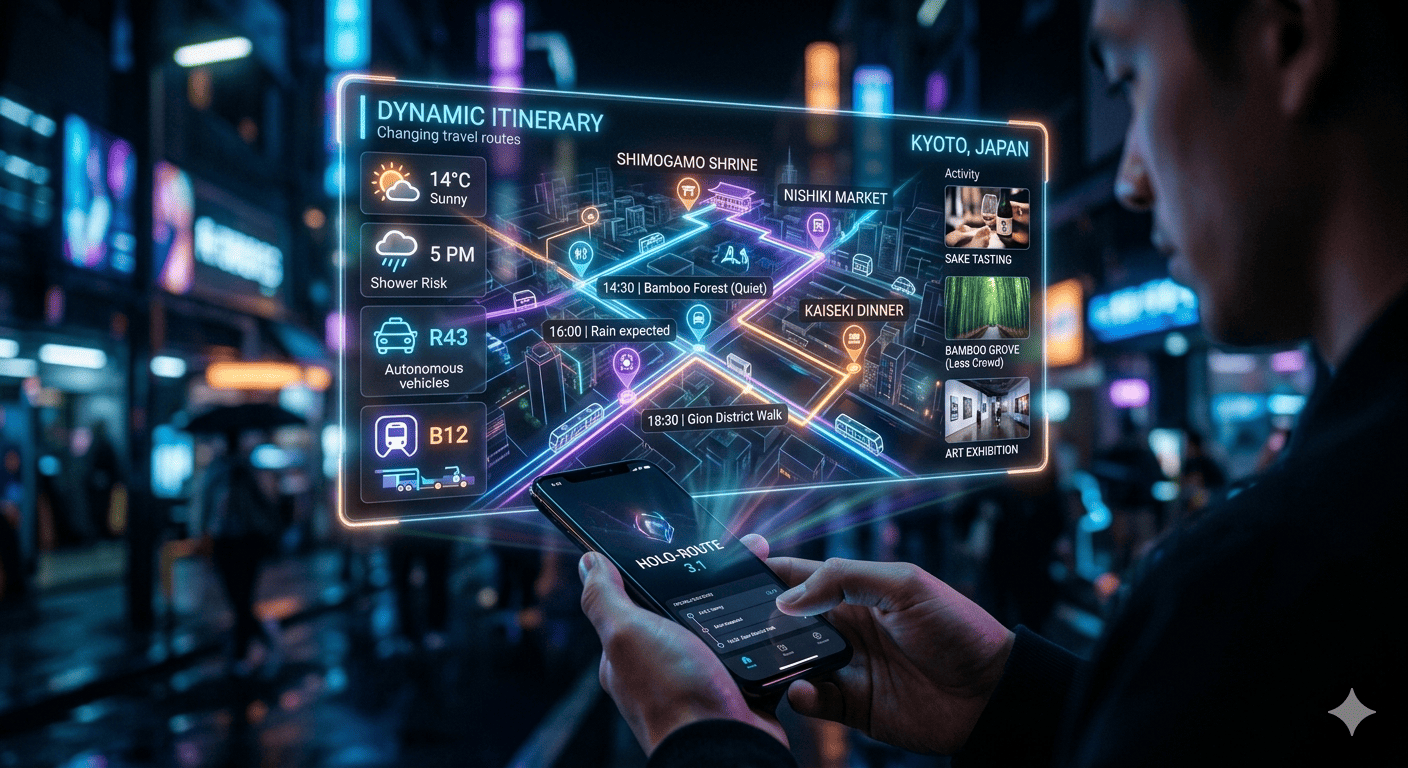
For example, consider tools like Google’s AI-enhanced travel algorithms or emerging platforms like TripIt that compile comprehensive itineraries by studying your past travels, preferences, and current trends. These tools don’t just stop at booking hotels; they go further by suggesting dining options, local tours, and even potential travel companions whose preferences align with yours. By harnessing the power of AI, these platforms ensure no detail, however minute, is overlooked.
Real-Time Translation: Bridging Language Barriers
One of the most profound ways technology supports global exploration is through real-time translation. Language barriers, once a significant deterrent to unhampered travel, are slowly dismantling. With apps like Google Translate and Microsoft Translator, conversations can occur seamlessly between people speaking completely different languages.

These applications use advanced machine learning and neural network models to provide highly accurate translations in seconds. Imagine sitting in a charming café in Paris and flawlessly ordering in French or negotiating prices in a bustling marketplace in Marrakech—all thanks to your handy translator app. This not only enhances the travel experience but enriches it by allowing deeper connections with local people and cultures.
Adaptive Itineraries: Flexibility at Your Fingertips
Travel can be unpredictable. Plans change, delays happen, and sometimes, a spur-of-the-moment decision to chase a sunset leads to the most memorable part of your trip. Enter adaptive itineraries. Powered by AI, these itineraries offer flexibility, suggesting alternatives instantly when plans go awry.
Say your flight to Rome is suddenly canceled. An AI travel assistant can instantly suggest alternative routes or modes of transportation, ensuring your plans remain intact. More so, it adapts to real-time data, including weather updates, local events, and even crowd size predictions, to optimize your day-to-day travel activities.

For example, if a popular museum you were planning to visit is unexpectedly overcrowded, your itinerary might reroute you to a lesser-known yet equally intriguing gallery in the area, ensuring you make the most of your time without frustration. This adaptability not only saves time but also elevates the travel experience by focusing on actual enjoyment rather than logistical headaches.
A Culture of Exploration and Discovery
At its core, travel is about exploration, discovery, and connection. With AI-powered tools and real-time translation, travelers can virtually become temporary natives of any city. These technologies break down barriers, creating a more inclusive world where travel can be enjoyed equally by people of all ages, backgrounds, and technological proficiencies.
Moreover, these tools foster a deeper understanding between cultures. They encourage travelers to go beyond the facade of tourist hotspots and delve into the heart of local life. By doing so, they provide authentic experiences that echo far beyond the typical vacation snapshot.
The Road Ahead
As AI technology continues to evolve, so too will its applications in the travel industry. We stand on the brink of an era where smart hotels will remember a traveler’s preferences from check-in to check-out, where personalized travel experiences are crafted automatically, and language learning barriers further blur as translation tools become even more integrated into wearable technology.
In conclusion, whether you’re a seasoned traveler or a curious newbie planning your first adventure, AI-powered tools and real-time translation technologies are here to redefine the way you see the world. By transforming challenges into opportunities, these tools will ensure that the future of travel is accessible, exciting, and full of innovation. Embrace them, and embark on journeys that are as seamless as they are unforgettable. The world awaits.