The Gulf’s efforts highlight that the journey to sustainability is as crucial as the destination itself.
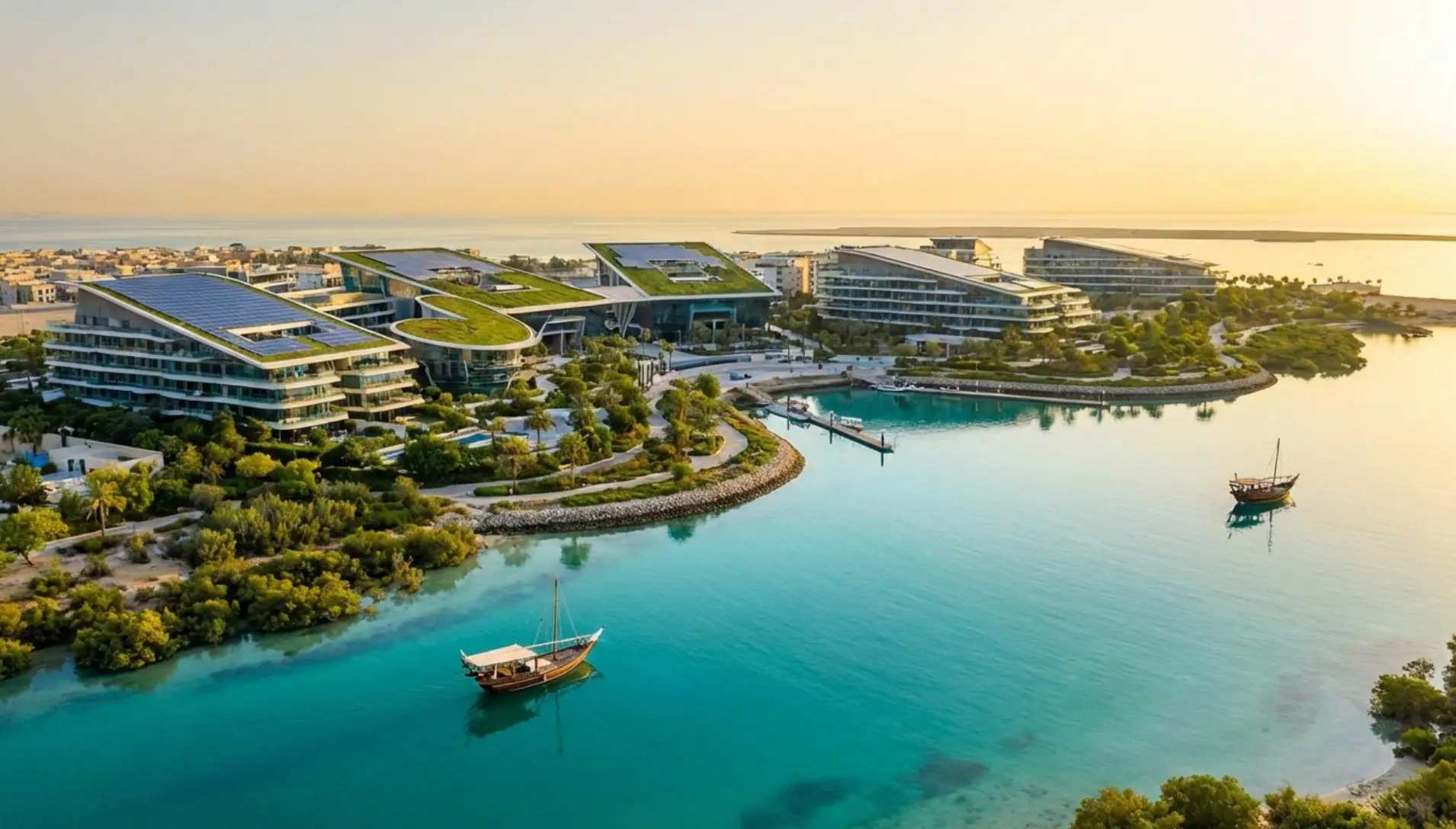
In an era where environmental consciousness is the new norm, emerging tourism destinations like the Gulf are setting ambitious sustainability standards. The Gulf region, traditionally known for its oil opulence, is pivoting towards greener pastures, transforming itself into a hub for sustainable tourism. This metamorphosis, known as “destination transformation,” is redefining what it means to be a modern tourist hotspot.
Historically, the Gulf states have been characterized by their rapid infrastructural development and luxury tourism offerings. Glittering skyscrapers dominate the skyline, world-class resorts line sparkling beaches, and events of global magnitude attract visitors from all corners of the planet. Yet, beneath this veneer of opulence lies a growing commitment to sustainable tourism practices that are slowly but surely changing the region’s identity.
At the heart of this transformation is the Gulf’s visionary approach to sustainability, integrating resource efficiency, renewable energy, and eco-friendly architecture into their urban fabric. Countries like the United Arab Emirates and Saudi Arabia are spearheading projects that not only enhance their appeal as tourist destinations but also significantly reduce their carbon footprint.
Dubai, for instance, has embarked on initiatives like the Desert Conservation Reserve and the Sustainable City. The latter is a testament to what urban development in a desert climate can achieve with a commitment to sustainability. This meticulously planned community features solar-powered homes, a biodome greenhouse, and a self-sustaining flow of water. It serves as a beacon of hope and a model for other regions aspiring to embrace green development practices.
Similarly, Saudi Arabia’s ambitious Neom project aims to construct a futuristic city powered entirely by renewable energy, integrating cutting-edge technology with sustainable living. Positioned strategically at the crossroads of Asia, Africa, and Europe, Neom is envisioning a new era for the region, promising to attract eco-conscious travelers and investors alike.
Moreover, the Gulf’s strategic embrace of cultural tourism highlights its sustainability narrative. By investing in the preservation and revitalization of historical sites and practices, this region is not just conserving its cultural heritage but also encouraging tourists to connect with the area authentically. The recent UNESCO recognition of sites like AlUla in Saudi Arabia and the restoration projects on the UAE’s Pearl Trail are significant steps in this direction.
However, this path to transformation is not without its challenges. Balancing economic growth with environmental stewardship demands not just infrastructure changes but also shifts in mindset—both at corporate and individual levels. For instance, transportation remains one of the trickiest areas to “green,” given the current dependence on fossil fuels. Innovative solutions like investments in public transportation networks and electric vehicles are in nascent stages but hold promise for the future.
The Gulf’s emerging role as a pioneer in destination transformation serves as an encouraging sign for other emerging hubs around the globe. Its journey underscores a vital lesson: economic development and environmental sustainability are not mutually exclusive but, instead, can be harmoniously integrated to foster a future-ready ecosystem.
In conclusion, the Gulf’s efforts highlight that the journey to sustainability is as crucial as the destination itself. As it continues to evolve, the world watches with bated breath, eager to learn from its successes—and missteps—in the grand experiment of blending tradition with innovation, luxury with responsibility.