As cities continue to expand at an unfathomable pace and technology keeps us perpetually connected, urban dwellers are desperately seeking ways to reconcile their high-octane lifestyles with the need for rest and introspection.
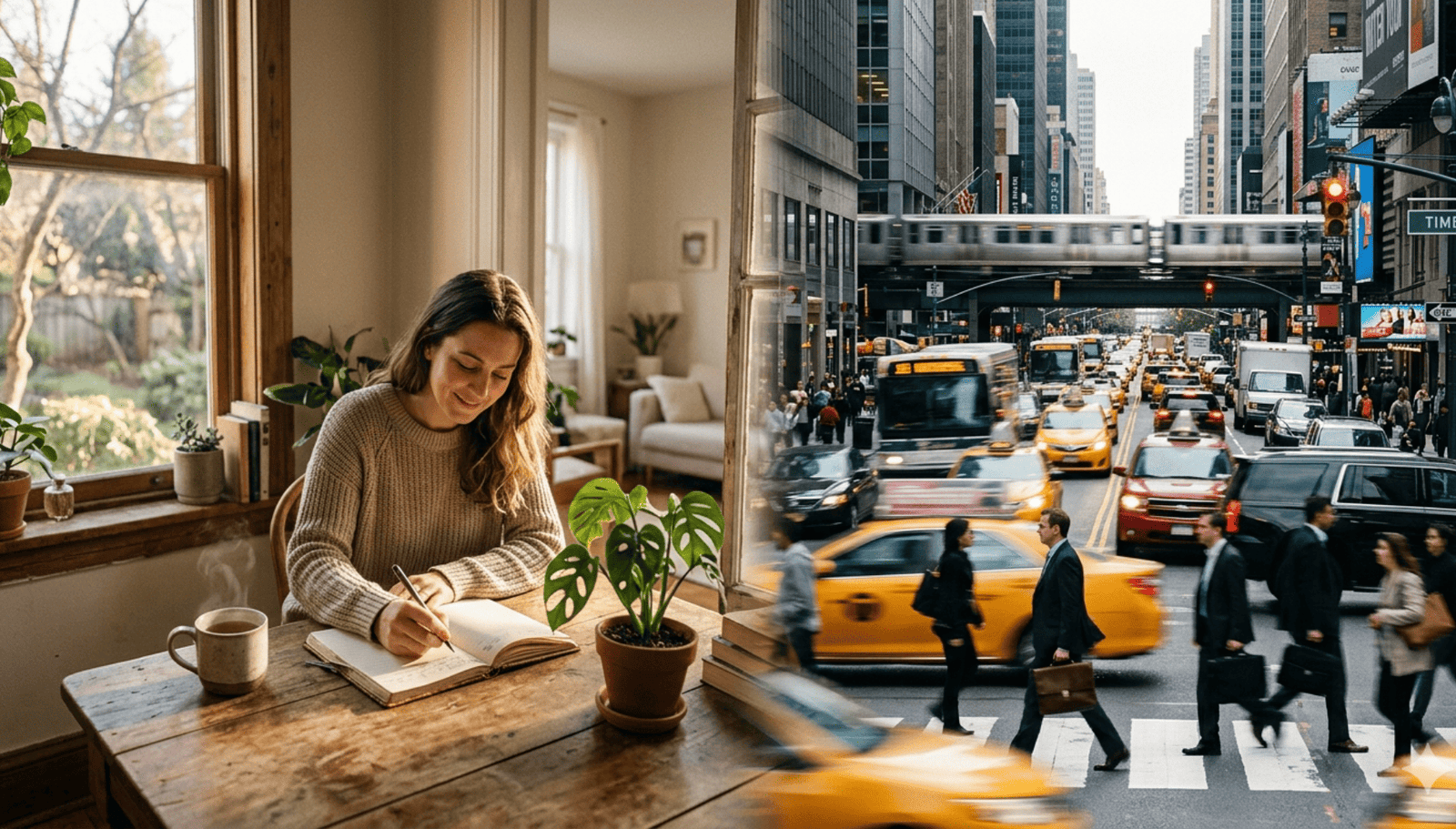
In the bustling metropolis, where every minute seems accounted for and productivity rules supreme, an intriguing trend is emerging: slow mornings. As cities continue to expand at an unfathomable pace and technology keeps us perpetually connected, urban dwellers are desperately seeking ways to reconcile their high-octane lifestyles with the need for rest and introspection.

The Slow Morning Movement
For many city dwellers, mornings have traditionally been a frantic whirl of alarms, coffee cups, and rushed commutes. However, the slow morning movement invites us to reimagine this crucial part of the day as a sanctuary of calm—an anchor to ground the chaos of urban life. It’s not about lazily lolling in bed, but more about adopting mindful rituals that set a deliberate tone for the day.
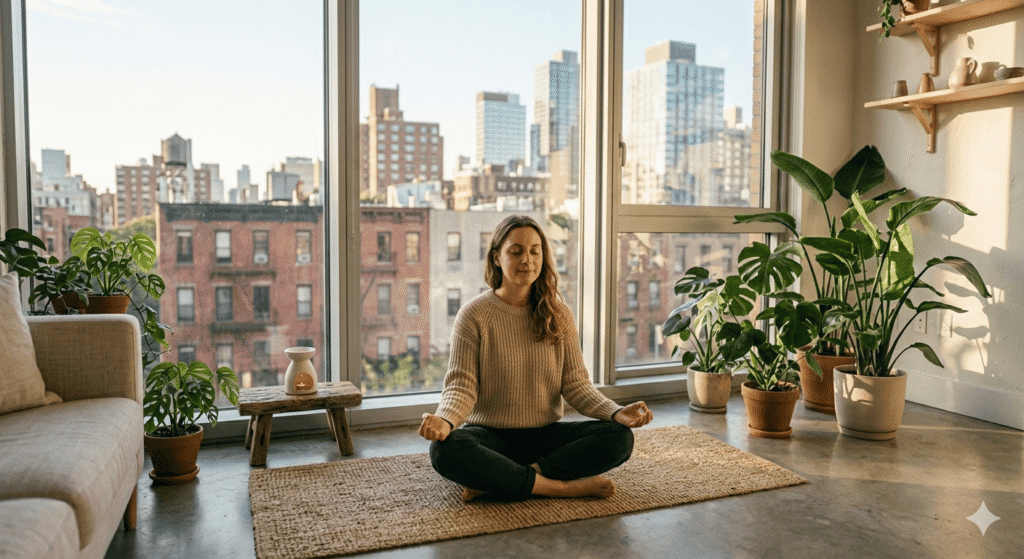
Take Megan, a marketing executive in New York City who swears by her ‘unplugged hour’ each morning. “From the moment I wake up, I avoid any screens,” she explains, “and instead, I journal with a hot cup of tea by my side. It’s my chance to put my thoughts in order before the world demands my attention.” Megan’s approach reflects a growing understanding that by slowing down our mornings, we’re better equipped to tackle the demands of our day with clarity and purpose.
Rituals That Reset
These slow morning rituals vary widely depending on personal preference but often include practices like yoga, meditation, prolonged breakfasts, and leisurely walk routines. The common thread is intentionality—these mornings are not a pause in the day, but an integral part of preparing the mind and body for what lies ahead.

Dr. Andrew Hoskins, a psychologist and lifestyle expert, notes, “Incorporating deliberate calm before engaging in high-intensity tasks is shown to increase overall performance and reduce stress levels. Our brains thrive on rhythms and by respecting this, we improve our resilience against burnout.”
Jess, a start-up founder in San Francisco, takes up boxing as part of her morning routine. After her meditation, she channels her focus and energy into the ring. “It’s a fantastic way to physically and mentally prepare myself,” she says. “I leave feeling sharp and invigorated, ready to dive into the day’s challenges.” Her ritual underscores how blending physical activity with mindfulness can offer a dual benefit: grounding us emotionally while energizing us physically.
The Balancing Act
Urbanites across the globe are now enthusiastically embracing this juxtaposition of slow mornings and high-intensity days. This rhythm acknowledges the necessity of balance in achieving both professional success and personal well-being. The delicate dance between calm and ambition is becoming a priority, as more people recognize that rampant productivity at the expense of mental health is unsustainable.
The key lies in viewing these morning rituals not as indulgent luxuries but as essential practices. They are the scaffolding upon which successful, fulfilling days are built. In a society hurtling towards an ever-more connected and demanding future, nurturing a buffer zone of tranquility could indeed be the smartest move yet.

By weaving slow, intentional activities into the fabric of our mornings, we effectively pilot our urban lives with greater insight and integrity. As cities get faster, so must our preservation methods evolve—empowering us to not just survive, but thrive in the concrete jungle.