
In the evolving landscape of health and wellness, three trends have emerged as game-changers in the way we approach nutrition: functional beverages, high-protein products, and the intriguing concept of food as supplements. Each trend offers a distinct pathway toward achieving better health outcomes, and together, they are reshaping our culinary habits. Functional Beverages: A Sip …
In the evolving landscape of health and wellness, three trends have emerged as game-changers in the way we approach nutrition: functional beverages, high-protein products, and the intriguing concept of food as supplements. Each trend offers a distinct pathway toward achieving better health outcomes, and together, they are reshaping our culinary habits.

Functional Beverages: A Sip of Science
Walk into any grocery store, and you’ll find aisles dedicated to a myriad of colorful, intriguing bottle labels promising benefits beyond mere hydration. These functional beverages are designed to do more than quench thirst. Packed with vitamins, minerals, probiotics, or adaptogens, they claim to enhance everything from mental clarity to gut health.
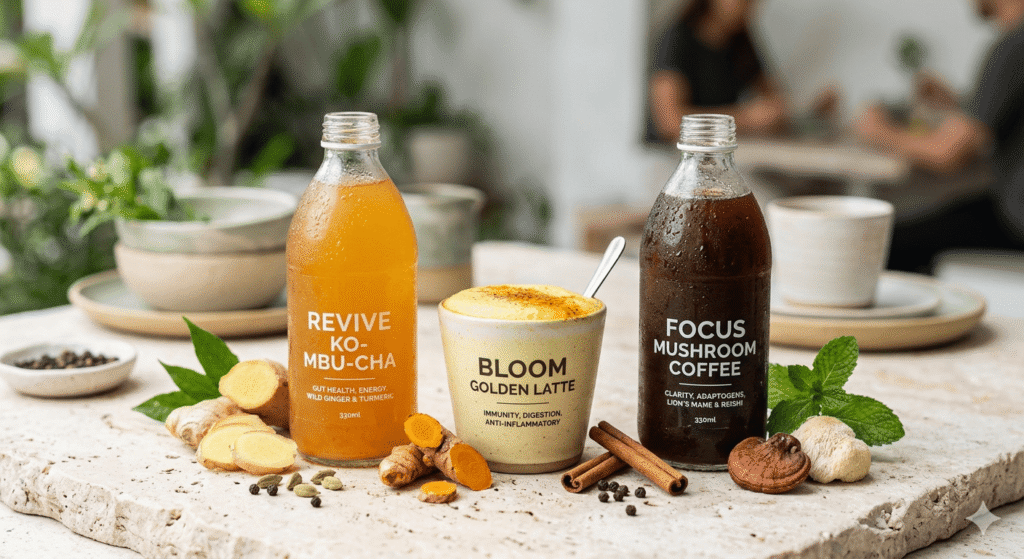
The allure of functional beverages lies in their convenience and targeted health benefits. Kombucha, for example, not only offers a refreshing taste but also serves as a probiotic source. Similarly, mushroom-infused coffees aim to boost cognition without the jitters associated with traditional coffee. As consumers become more ingredient-savvy, they are seeking out drinks like turmeric lattes for their anti-inflammatory properties or CBD-infused waters for relaxation.
While not all claims may be backed by extensive scientific research, the rise of functional beverages reflects a broader trend toward proactive health management. Consumers are increasingly gravitating towards items that align with their personal health goals in a bid to supplement their diets while enjoying everyday refreshment.
High-Protein Everything: The Muscle of Modern Diets
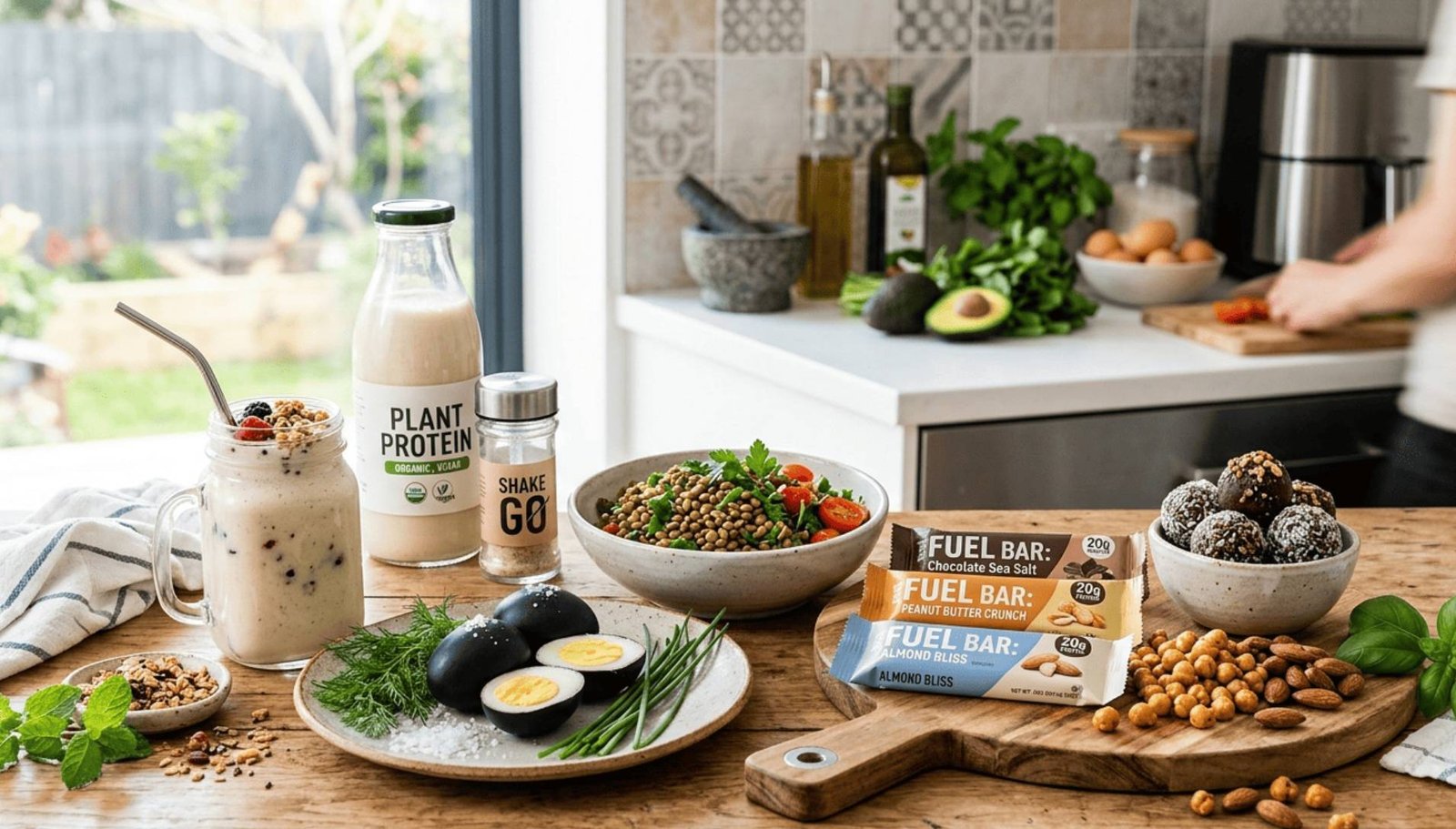
Once the domain of bodybuilders and elite athletes, high-protein diets have penetrated mainstream food culture. From breakfast cereals fortified with protein to protein-packed ice creams, the obsession is as diverse as it is delicious.
The surge in high-protein products can be attributed to growing awareness of protein’s role in muscle maintenance, weight management, and satiety. Protein-rich foods offer a practical solution to many dietary woes by helping individuals maintain lean muscle mass, keep cravings at bay, and potentially enhance metabolic rates.

Beyond traditional sources such as meat and dairy, plant-based protein options are now receiving their due attention. Innovations in technology have made it possible to derive protein from peas, lentils, and even insects, which are transformed into available products such as snacks, smoothies, and meal replacements.
Food as Supplements: The New Age of Personalized Nutrition
The concept of ‘food as supplement’ blurs the line between eating for pleasure and eating for function. As consumers seek personalized nutrition solutions, foods are stepping into roles traditionally occupied by capsules and tablets.
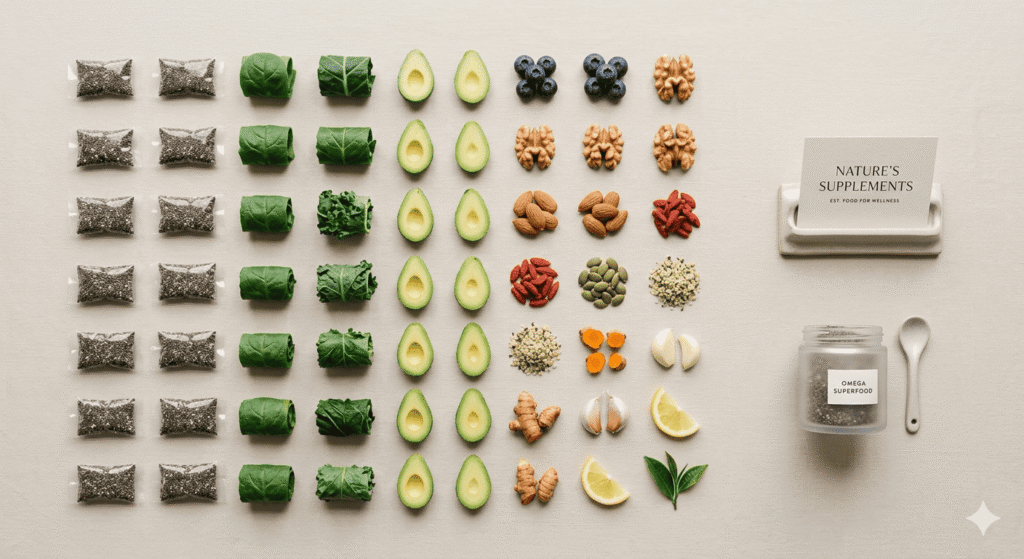
Through this lens, specific foods are consumed to target particular health objectives. Omega-3-rich chia seeds, heart-healthy avocados, and bone-strengthening collard greens exemplify how nutrient-dense foods can serve supplementary purposes. This philosophy encourages a holistic approach, emphasizing that real food can often accomplish what synthetic supplements aim to do.
In adopting a ‘food as supplement’ mindset, consumers may feel more empowered in their daily food choices, turning every meal into an opportunity for health optimization.
The Future of Eating
As these trends gain traction, they invite us to reconsider the age-old adage that “you are what you eat.” More than ever, our dietary choices are becoming sophisticated tools for health and wellness. Functional beverages, high-protein formulations, and the approach of using food as supplements represent the convergence of enjoyment and efficacy in our diets.
While the future of nutrition will undoubtedly continue to evolve, one thing remains clear: our relationship with food and drink is no longer just about sustenance but also about cultivating health and well-being, one meal—and sip—at a time.