
In today's fast-paced world, the pursuit of optimal health and wellness has led many to explore both cutting-edge technologies and time-honored practices. As consumer interest in wellness grows, so does the market for wellness products, from high-tech health monitoring devices to newly-popular ancient practices like breathwork. Amidst this expansive field lies a fundamental question: With …
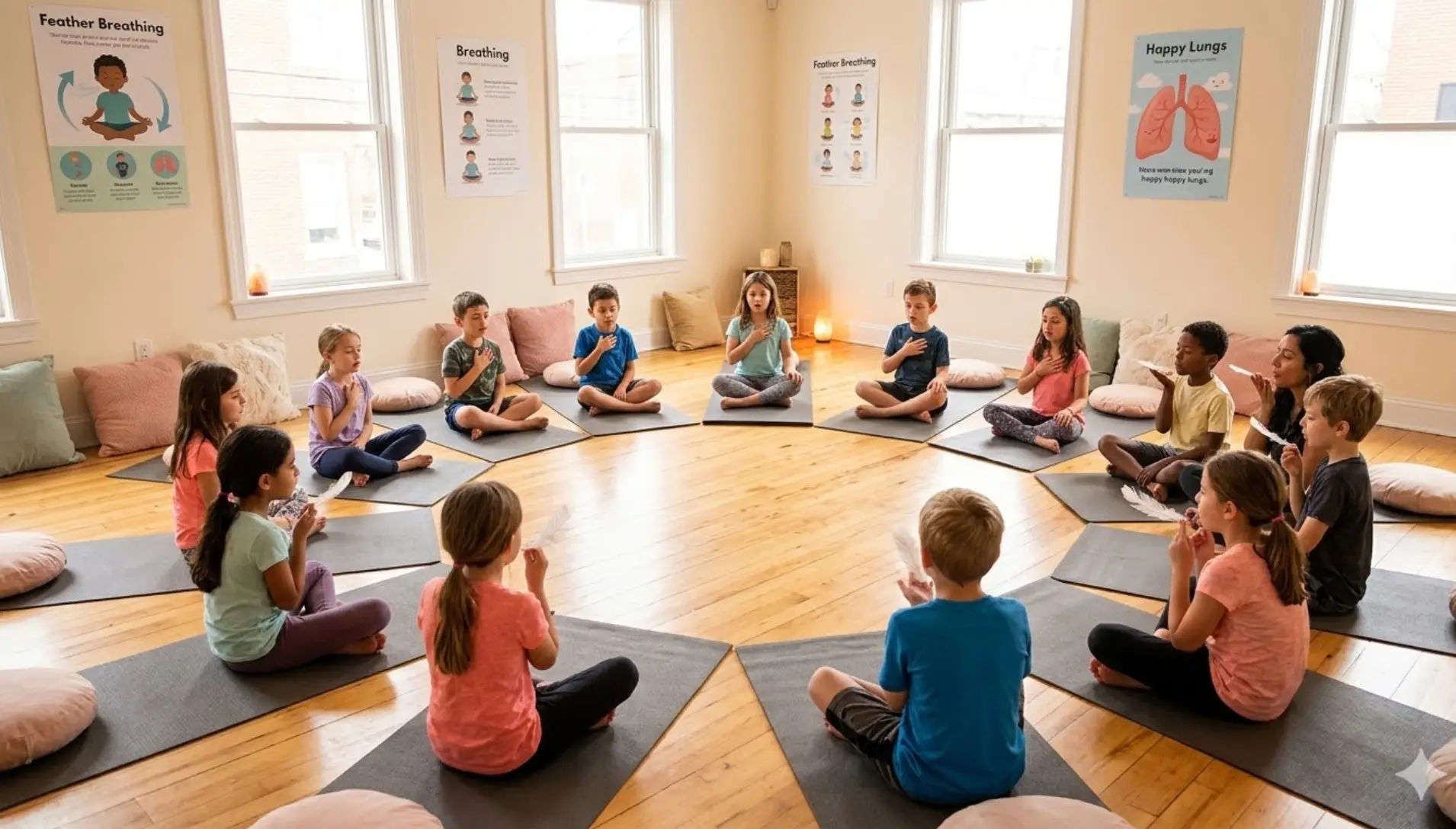
In today’s fast-paced world, the pursuit of optimal health and wellness has led many to explore both cutting-edge technologies and time-honored practices. As consumer interest in wellness grows, so does the market for wellness products, from high-tech health monitoring devices to newly-popular ancient practices like breathwork. Amidst this expansive field lies a fundamental question: With so many options available, what actually works for everyday wellness?
The Rise of Biohacking
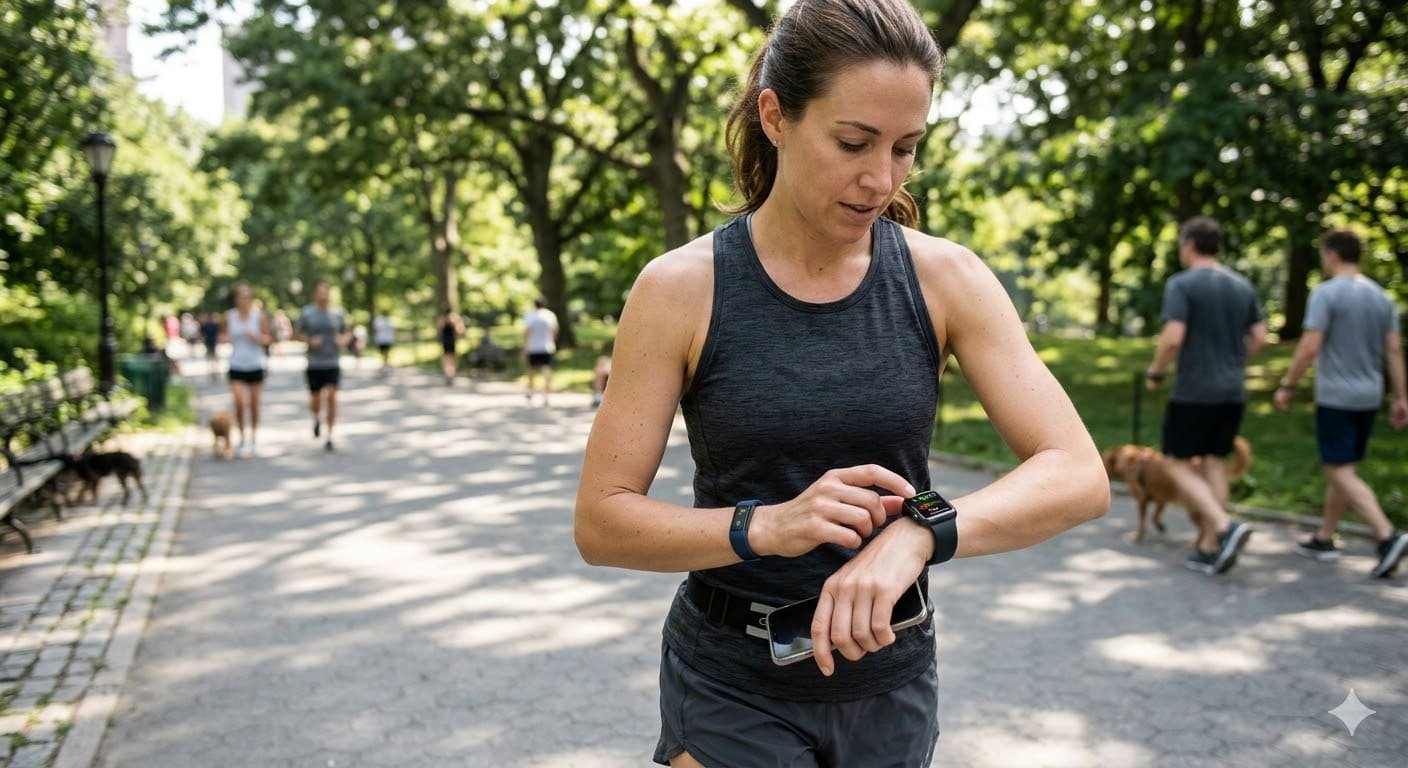
Biohacking, often referred to as “DIY biology,” involves using science and technology to optimize one’s own body and mind. With origins in Silicon Valley, biohacking covers a broad spectrum of activities. For some, it may be as simple as adopting a keto diet to boost energy levels. For others, it involves the use of advanced products like nootropics for mental clarity or wearable devices that track biometric data 24/7.
Tech giants have embraced biohacking, investing massively in developing devices that make personal health data easier to access and interpret. Wearable tech has become a household staple, with devices like Apple Watch and Fitbit now common accessories. These gadgets track everything from heart rate to sleep cycles, offering users insights into their daily health metrics. The real-time data provided promises improvements in habits over time, encouraging small daily adjustments that aggregate into significant health benefits.
However, it’s worth noting that while these devices might provide a wealth of information, they don’t automatically lead to better wellness. It’s the interpretation and action based on this data that creates tangible results. Personalized healthcare apps, powered by AI, can potentially offer user-specific advice, but they are only as effective as the data they are given.
Simple Practices That Stand the Test of Time
On the other end of the spectrum is breathwork, an ancient practice that focuses on the power of breathing to influence one’s physical, mental, and spiritual well-being. Known for its ease of use and immediate effects, breathwork is becoming increasingly popular in modern wellness circles. Practitioners report reduced stress levels, improved mood, and even enhanced focus and clarity after just a few minutes of practice.
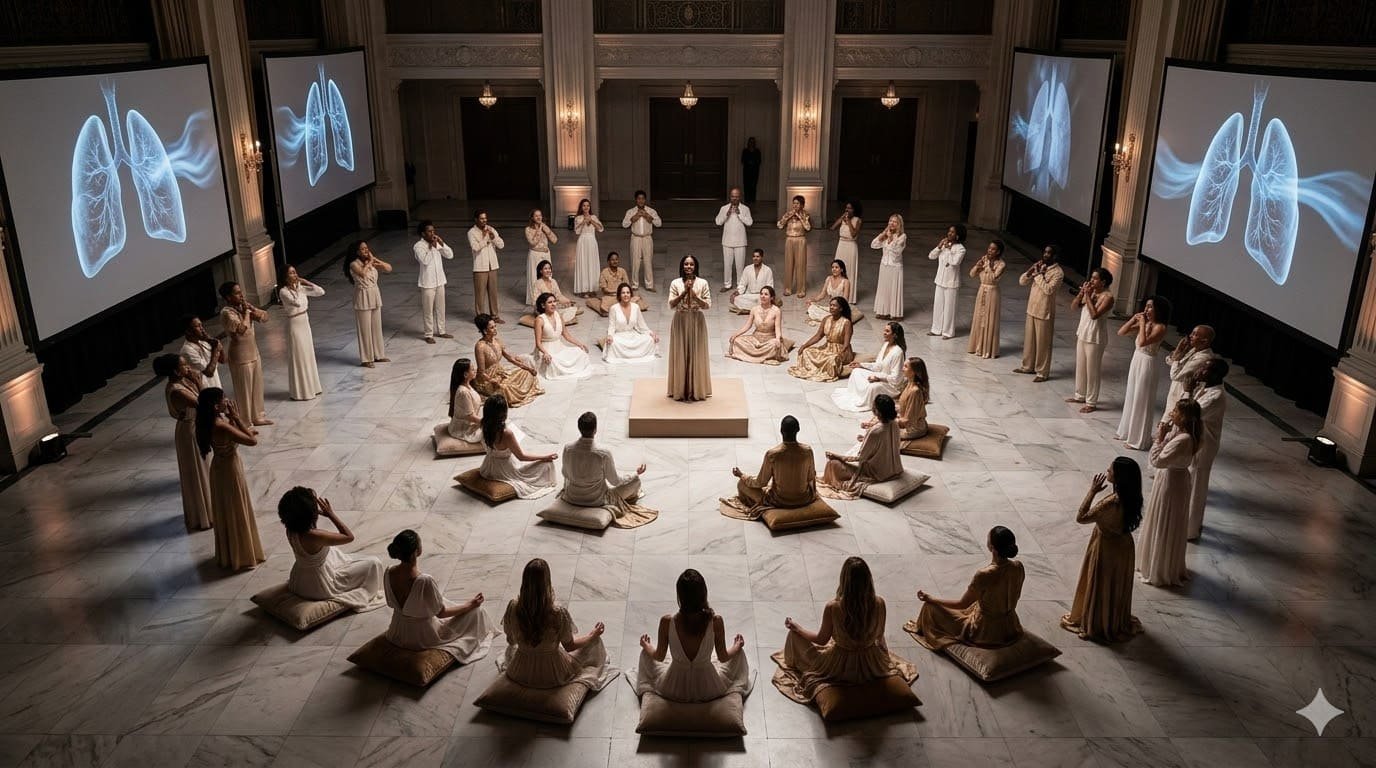
Breathwork is accessible, requiring no technology or gadgets, just a few minutes of uninterrupted time and a quiet space. Techniques such as box breathing or alternate nostril breathing are simple, yet can profoundly influence stress and energy levels. Medical research supports these benefits, showing that controlled breathing can lower cortisol levels and promote autonomic nervous system balance.
Finding a Balance
While biohacking presents high-tech ways to enhance wellness, it often works best when integrated with low-tech, natural practices. The key is striking a balance that suits your lifestyle and goals. For example, using a wearable device to monitor your vital signs throughout the day could alert you to the stress responses triggered at work, prompting you to take a break for a quick session of breathwork to reset and recharge.
Mindfulness apps stand as another great example of how technology can blend with ancient practices. Apps like Headspace or Calm offer guided meditations and breathwork exercises, combining the simplicity of breath control with the digital convenience of structured guidance. These tools can help build consistency and improve the efficacy of wellness practices, even in the busiest of schedules.
What Works for You?
Incorporating wellness practices into daily life requires self-experimentation to discover what truly works for you. Consider evaluating your own data, whether collected through tech tools or personal journaling of your feelings and responses to different activities. Perhaps a combination of morning breathwork, afternoon mindfulness practice, and evening biometric data review provides the ideal frame for you to achieve both emotional equilibrium and intellectual sharpness.
To optimize wellness, start by considering your individual lifestyle and needs. Are you looking for reducing stress, increasing energy, or optimizing time? High-tech solutions like biohacking can provide granular insights and tactile advantages, but simple practices like breathwork deliver a complementary holistic benefit that doesn’t demand an internet connection.
Moving Forward
The evolution of the wellness industry continues at a dizzying pace, driven by technological advances and a returning appreciation for natural lifestyles. The most effective approaches tend to be those that recognize the value of both cutting-edge innovation and the wisdom of ancient practices.
No single strategy suits everyone. The journey towards wellness is personal and often requires trying out various combinations of techniques. Whether it’s starting your day with a mindful breathing ritual, ending it by reviewing sleep data, or even indulging in both throughout your day, the ultimate goal remains the same: to live balanced, healthy lives where body and mind are in harmony.
Ultimately, from biohacking to breathwork, what matters is how these practices fit into the mosaic of your life, and most importantly, how they enhance your sense of well-being.
As we straddle the line between innovation and tradition, the path to wellness is no longer a mere choice between technology and simplicity but rather a seamless integration of both worlds.