
In today’s world, the journey from farm to fork is being fundamentally reimagined. The sustainable agriculture movement, driven by a desire to reduce environmental impact and increase food security, is accelerating thanks to cutting-edge technologies. From alternative proteins to advanced traceability systems, here’s how innovation is reshaping our eating habits. Tasting the Future: Alternative Proteins …
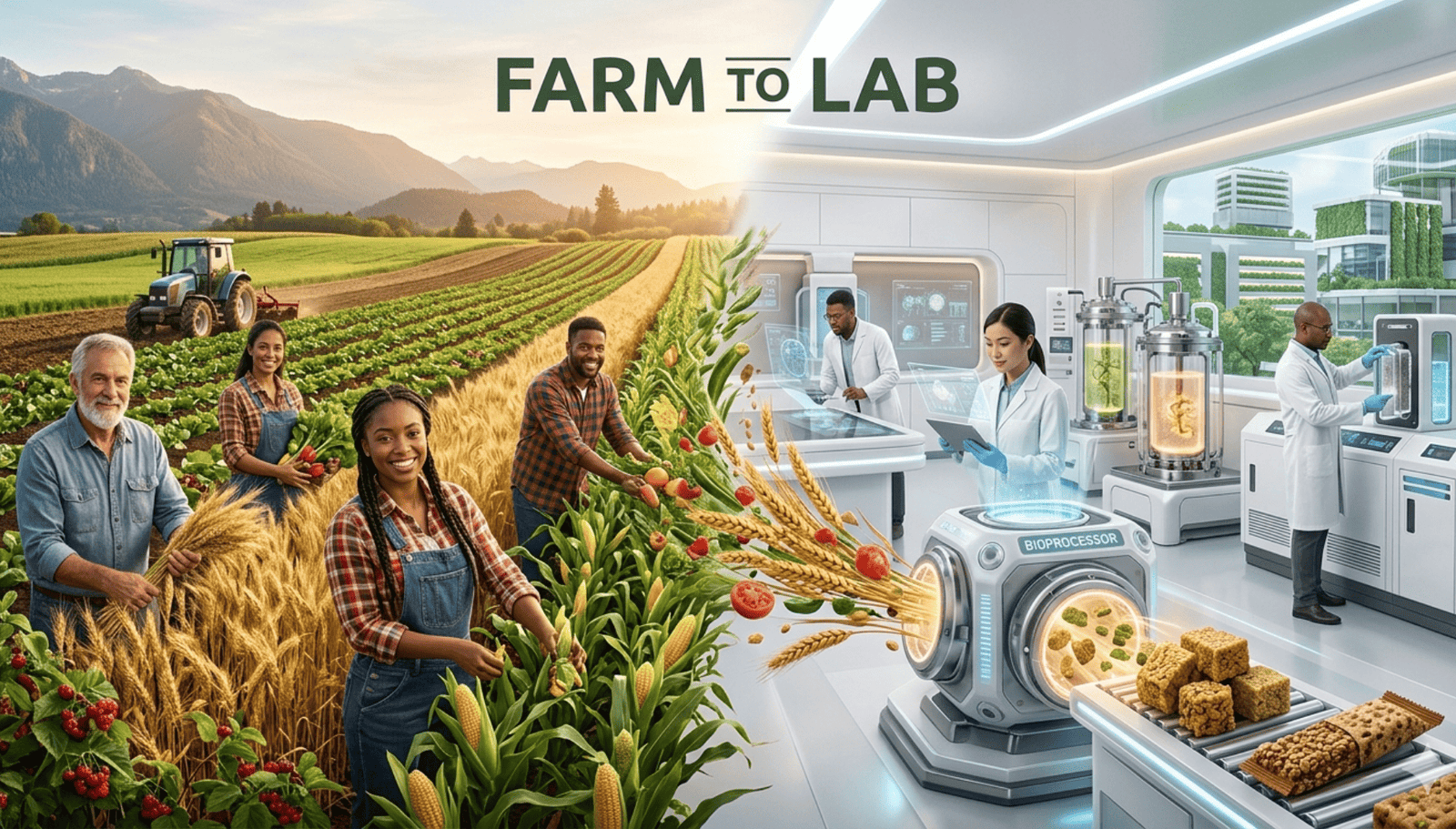
In today’s world, the journey from farm to fork is being fundamentally reimagined. The sustainable agriculture movement, driven by a desire to reduce environmental impact and increase food security, is accelerating thanks to cutting-edge technologies. From alternative proteins to advanced traceability systems, here’s how innovation is reshaping our eating habits.

Tasting the Future: Alternative Proteins
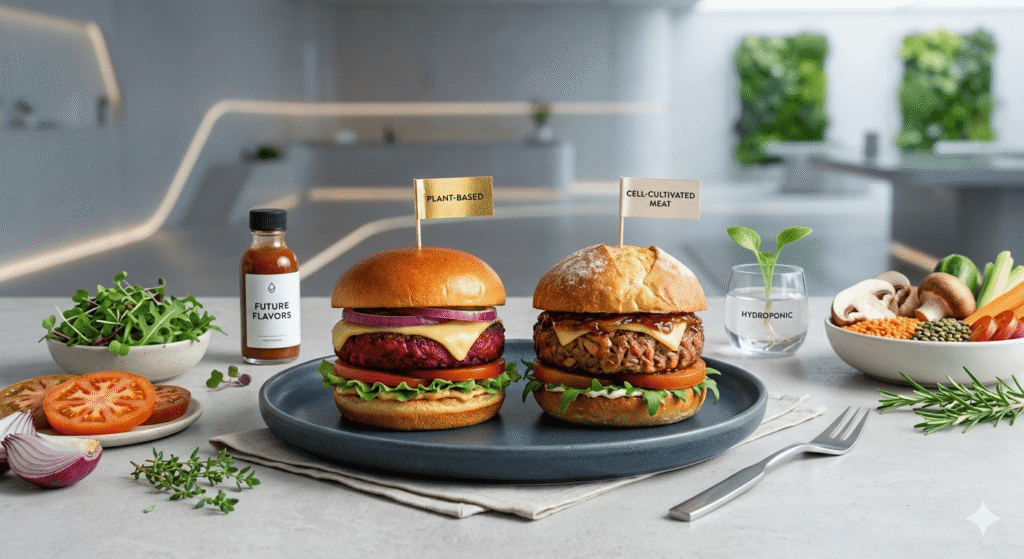
One of the most talked-about advancements in food tech is the rise of alternative proteins. Traditionally derived from animal sources, proteins now encompass plant-based and lab-grown varieties that are kinder to the planet. Companies like Beyond Meat and Impossible Foods have made strides in perfecting the taste and texture of plant-based burgers, appealing to mainstream consumers and turning casual skeptics into enthusiastic converts. Meanwhile, cellular agriculture is bringing an entirely new dimension by growing meat in labs, using a fraction of the resources required for traditional farming.
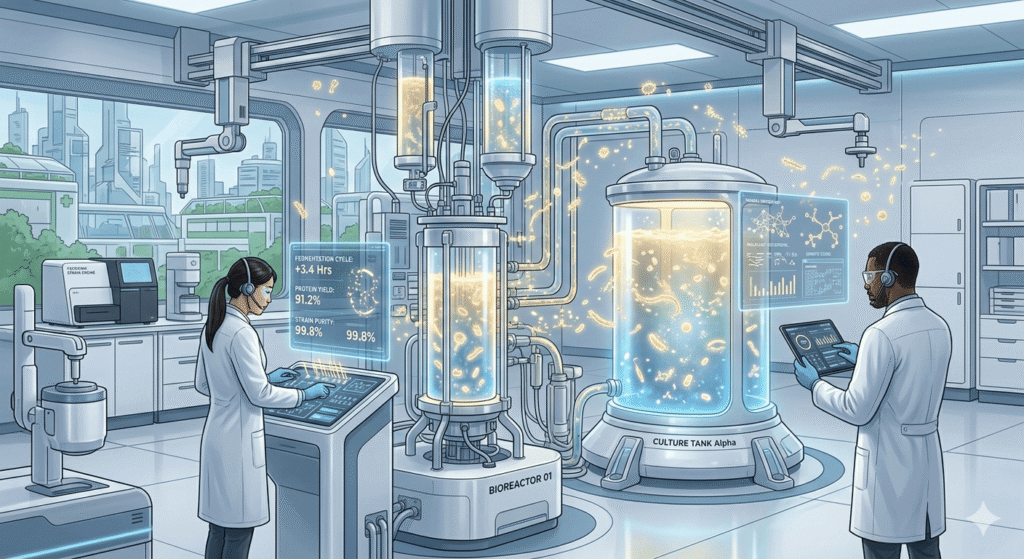
This shift not only caters to an ever-growing population of environmentally conscious consumers but also addresses major ethical concerns about animal welfare. As the demand for protein continues to soar globally, these innovations offer a viable pathway to a more sustainable diet without compromising on taste or nutrition.
Fermenting Precision: The Role of Precision Fermentation
While plant-based alternatives have stolen much of the limelight, precision fermentation is quietly revolutionizing food production behind the scenes. This technology uses microorganisms to produce specific functional ingredients such as enzymes, vitamins, and proteins. Essentially, it allows for the creation of animal-free versions of ingredients like casein, which gives cheese its characteristic melt and stretch.
Companies like Perfect Day and Motif FoodWorks are leveraging precision fermentation to create dairy products that are identical in taste and texture to those sourced from cows, without the associated carbon footprint. This method has potential applications beyond dairy, opening up possibilities for creating other animal-byproducts like gelatin or egg whites sustainably.
Tracing Our Food: The Rise of Traceability
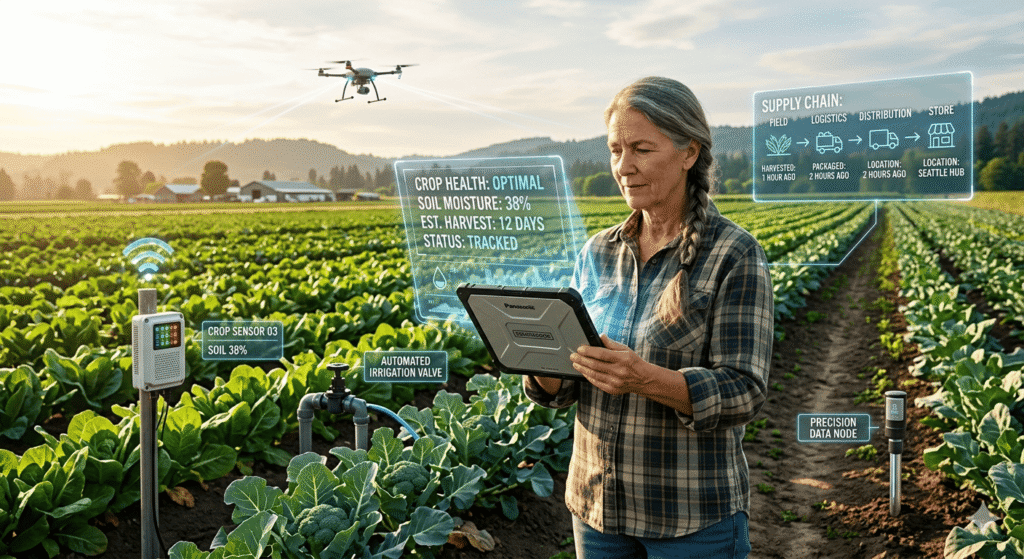
As technology propels us into a new food frontier, accountability and transparency are becoming just as important as sustainability. Traceability systems, powered by blockchain and Internet of Things (IoT) devices, are revolutionizing how we understand the origins of our food. These tools offer consumers unprecedented access to the journey of their food, from seed to shelf.
With the ability to trace food back to its source, these systems help ensure food safety by quickly identifying contamination points and reducing food fraud. Farmers can use IoT devices to monitor their crops in real-time, making their practices more efficient and sustainable.
For consumers, this level of transparency builds trust, allowing them to make more informed choices about what they purchase and consume. Moreover, it empowers them to support practices that align with their values, further driving demand for responsibly sourced products.
A New Culinary Chapter
The tech-driven transformation of the food industry is only beginning. As these innovations mature and become more widespread, we can anticipate a more sustainable, transparent, and ethical food system. The combination of alternative proteins, precision fermentation, and digital traceability not only challenges the status quo but also invites all of us to reconsider the future of food. These changes promise to redefine what ends up on our plates and, ultimately, how we think about nourishment in the modern age.