In today’s rapidly evolving economic landscape, the path to a secure and prosperous career is anything but linear. Gone are the days when employees could rely solely on their initial education to navigate their entire professional lives. As industries morph under the influence of technological advancements and global connectivity, lifelong learning and upskilling have emerged …
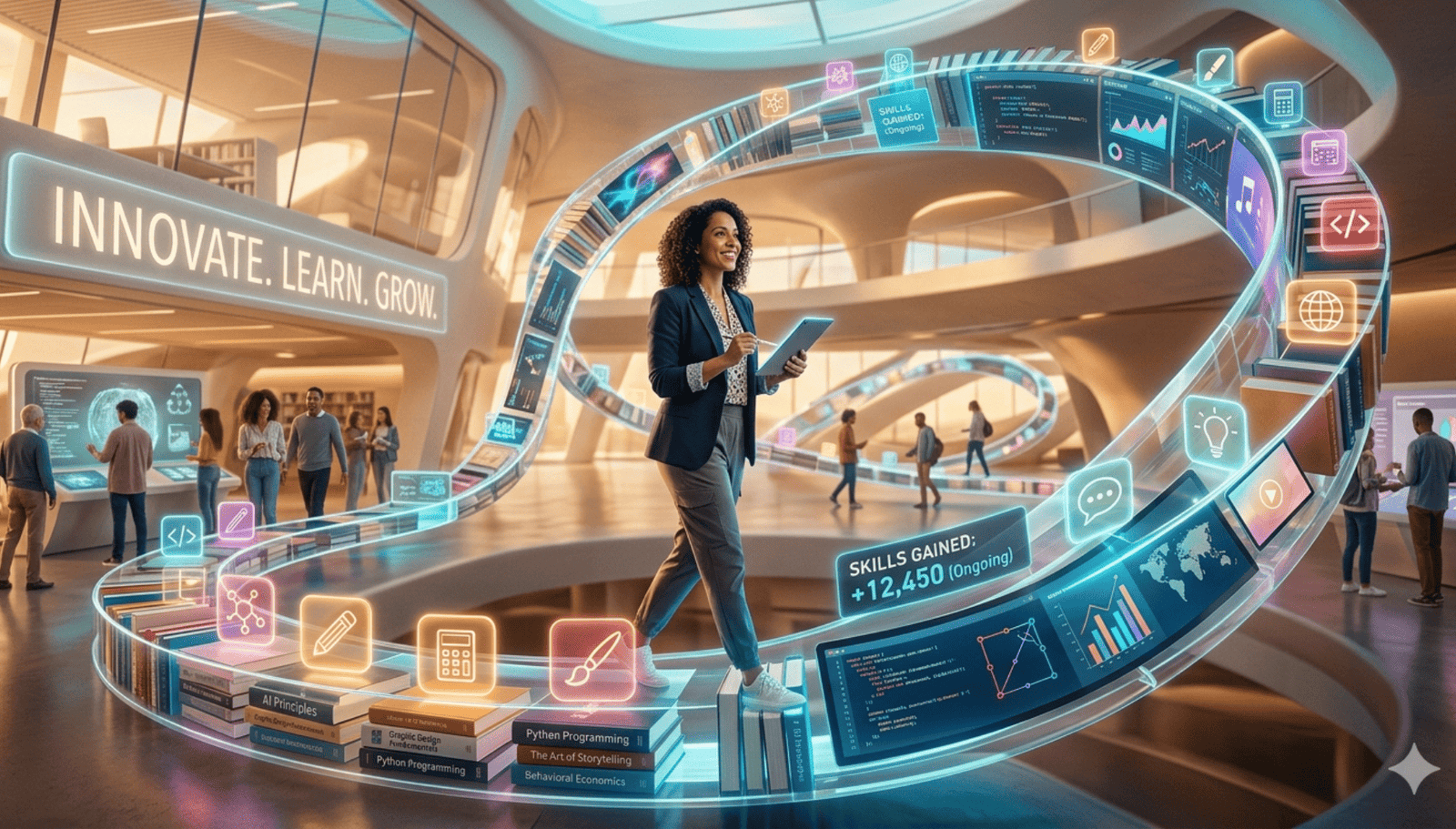
In today’s rapidly evolving economic landscape, the path to a secure and prosperous career is anything but linear. Gone are the days when employees could rely solely on their initial education to navigate their entire professional lives. As industries morph under the influence of technological advancements and global connectivity, lifelong learning and upskilling have emerged as essential economic survival tools.
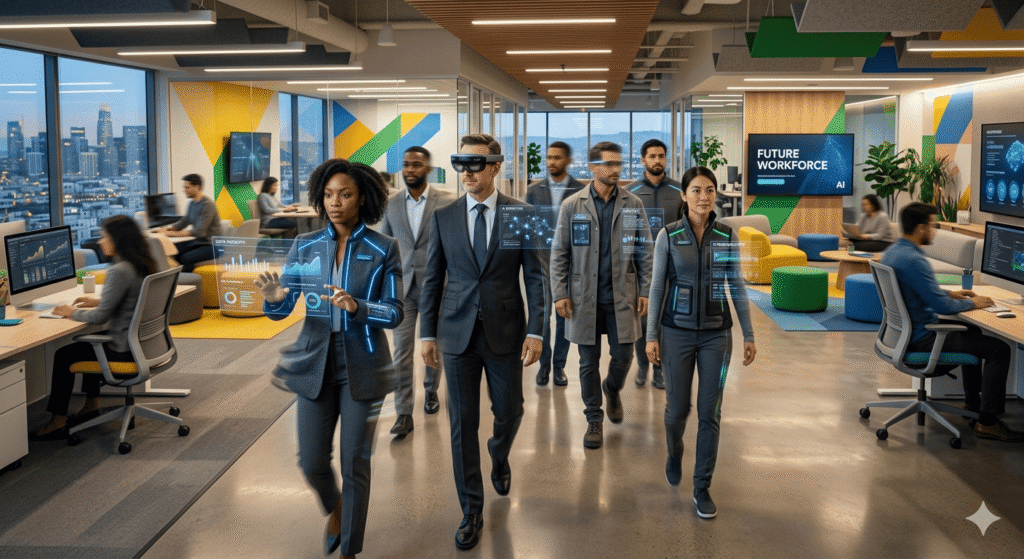
At its core, lifelong learning is the continuous, voluntary, and self-motivated pursuit of knowledge for personal or professional development. It emphasizes the importance of not just adding skills, but also adapting mindsets. Meanwhile, upskilling focuses more specifically on expanding an individual’s current skill set, enhancing their value in the workplace. Together, these approaches not only improve employability but also empower individuals to pivot deftly in the face of economic shifts.
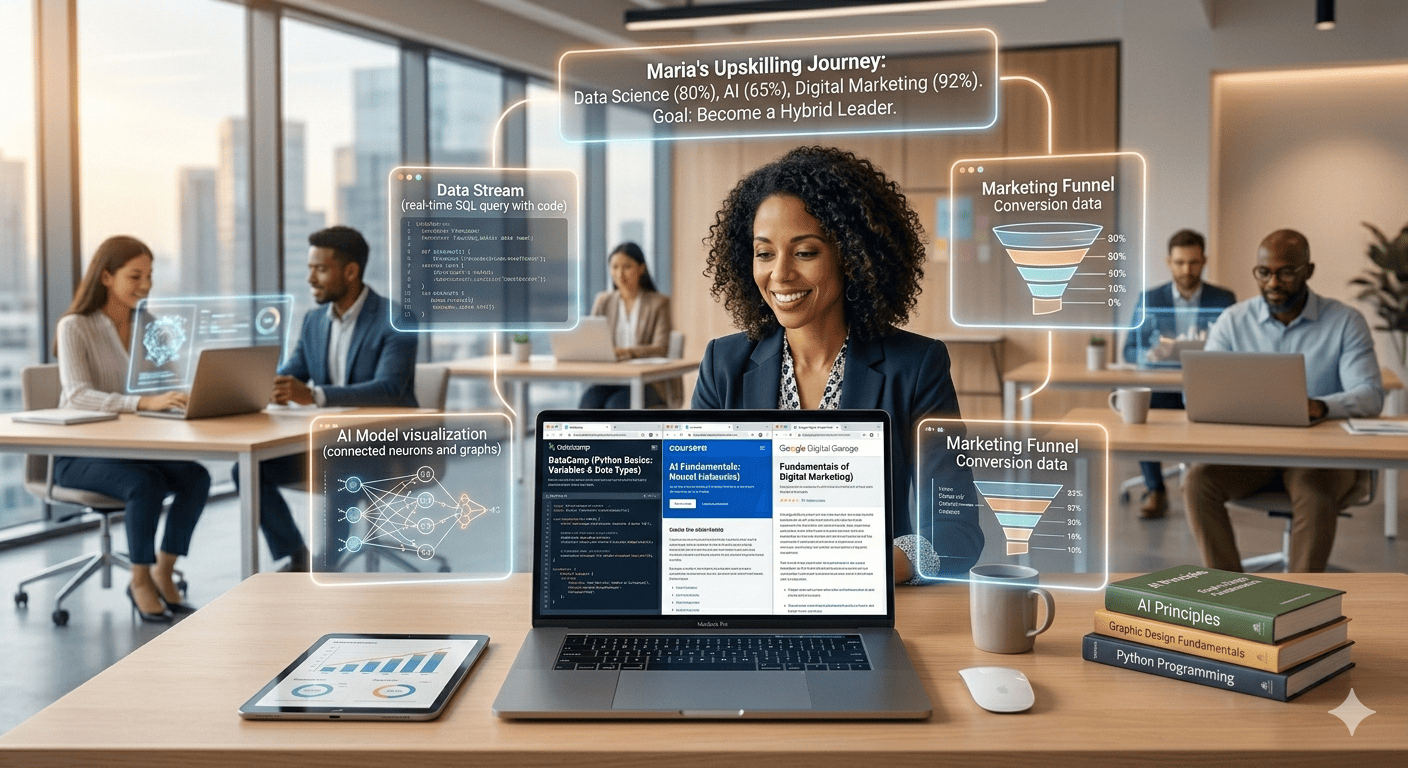
Globalization and automation, for instance, have revolutionized the job market, creating new opportunities across sectors while simultaneously rendering certain roles obsolete. According to a 2021 report by the World Economic Forum, by 2025, half of all employees globally will need reskilling due to technological changes. Jobs in demand today—like data analysts, AI specialists, and digital marketers—didn’t exist a decade ago. This rhythmic rise and fall of industries underscore the critical need for workers at all levels to adopt a mindset of continuous learning.
Moreover, in an era marked by digital disruption, companies prioritize adaptability as much as expertise. Organizations are increasingly investing in skill development programs for their staff, recognizing the benefits that come from nurturing talent in-house rather than perpetually recruiting from a limited talent pool. This trend reflects a shift towards a more dynamic, skills-based economy where capabilities take precedence over credentials.
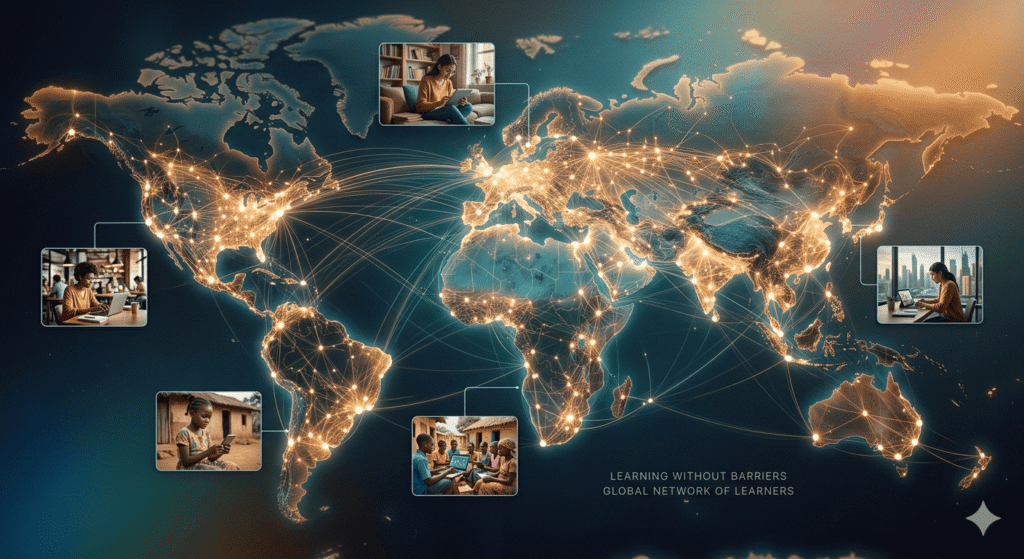
However, the onus doesn’t just lie with employers. Individuals must also take personal responsibility for their development. Online platforms like Coursera, LinkedIn Learning, and Udacity have democratized access to education, allowing anyone with an internet connection the chance to learn from top universities and instructors worldwide. Whether it’s through formal education, professional workshops, or casual self-teaching, these resources put the power of growth in the hands of learners themselves.
Lifelong learning also fosters a more inclusive workforce. It levels the playing field by giving people from all backgrounds the chance to gain expertise in new fields or ascend within their current industry. It provides opportunities for marginalized groups who historically may have had limited access to traditional educational pathways.
In conclusion, lifelong learning and upskilling are no longer mere options—they’re strategic imperatives in building economic resilience. By committing to continuous education, individuals not only bolster their own career prospects but also contribute to a workforce that is adaptable, innovative, and inclusive. As the adage goes, “The more you learn, the more you earn,” encapsulates the timeless wisdom that in the pursuit of knowledge, the dividends are limitless. Embrace the learning curve; the journey is, after all, part of the reward.