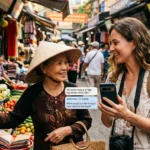
Slow travel prioritizes depth over breadth, emphasizing deep cultural immersion and meaningful connections over ticking off a list of tourist hotspots.
In recent years, the travel industry has witnessed an inspiring phenomenon: more women than ever are packing their bags and setting off on solo adventures across the globe. This significant shift, memorably encapsulated in the mantra “Safe, Solo, and Unapologetic,” celebrates a liberating movement where women are prioritizing personal exploration and empowerment. As this wave gains momentum, destinations worldwide are evolving, offering heightened safety measures and tailored experiences to accommodate and encourage this burgeoning demographic.
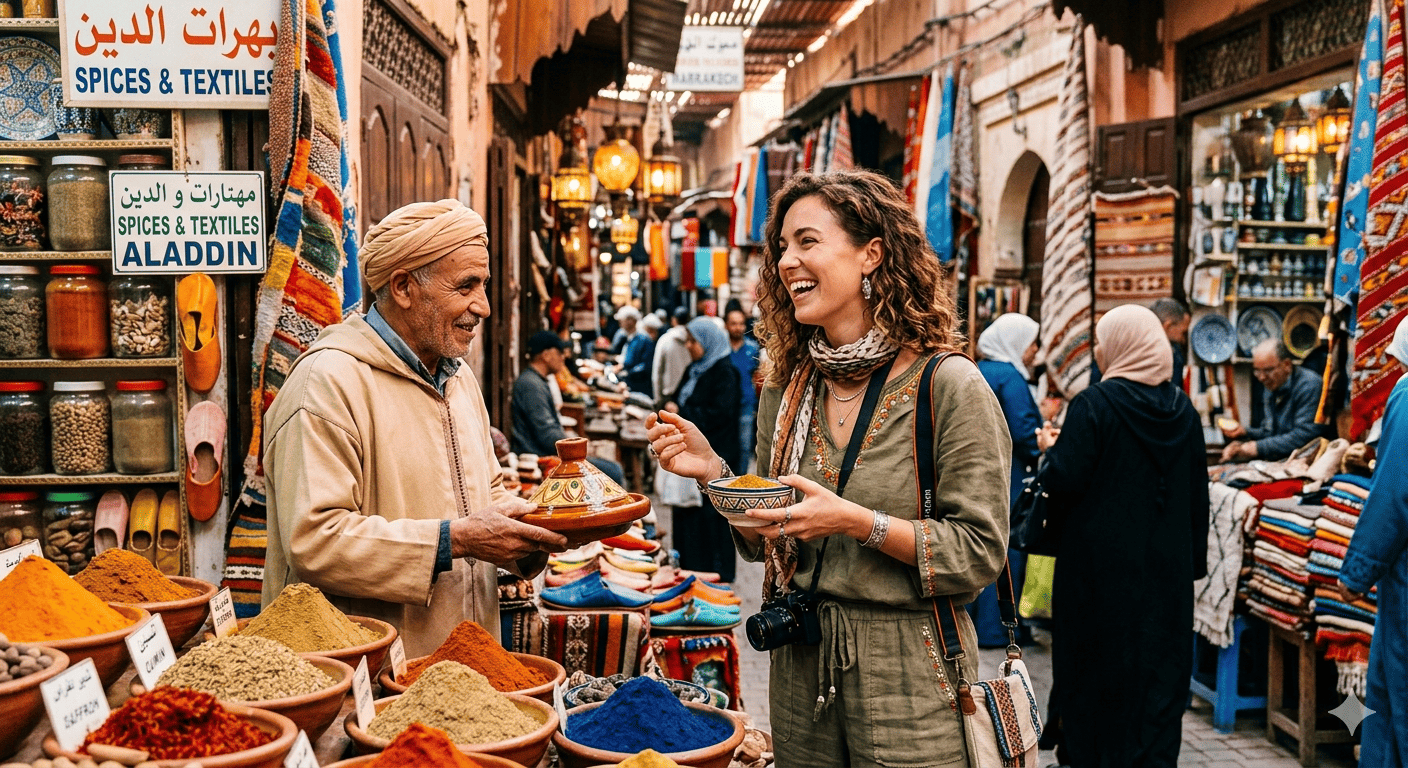
Historically, solo travel was often met with skepticism or concern, particularly for women. However, recent statistics reveal a significant spike in female solo travel, with a notable increase in Asian, European, and American women embarking on these journeys. The driving force behind this trend isn’t just wanderlust—it’s the desire for self-discovery, cultural immersion, and the thriving inclination to break free from societal constraints.
Destination spots are responding in kind, enhancing their offerings to create safer and more welcoming environments. Cities like Reykjavik, New York, and Tokyo are leading the charge, praised for their security, vibrant cultural scenes, and proactive approach to solo female travelers. These cities are investing in improved public transportation systems, better-lit streets, and increased police presence in tourist zones.
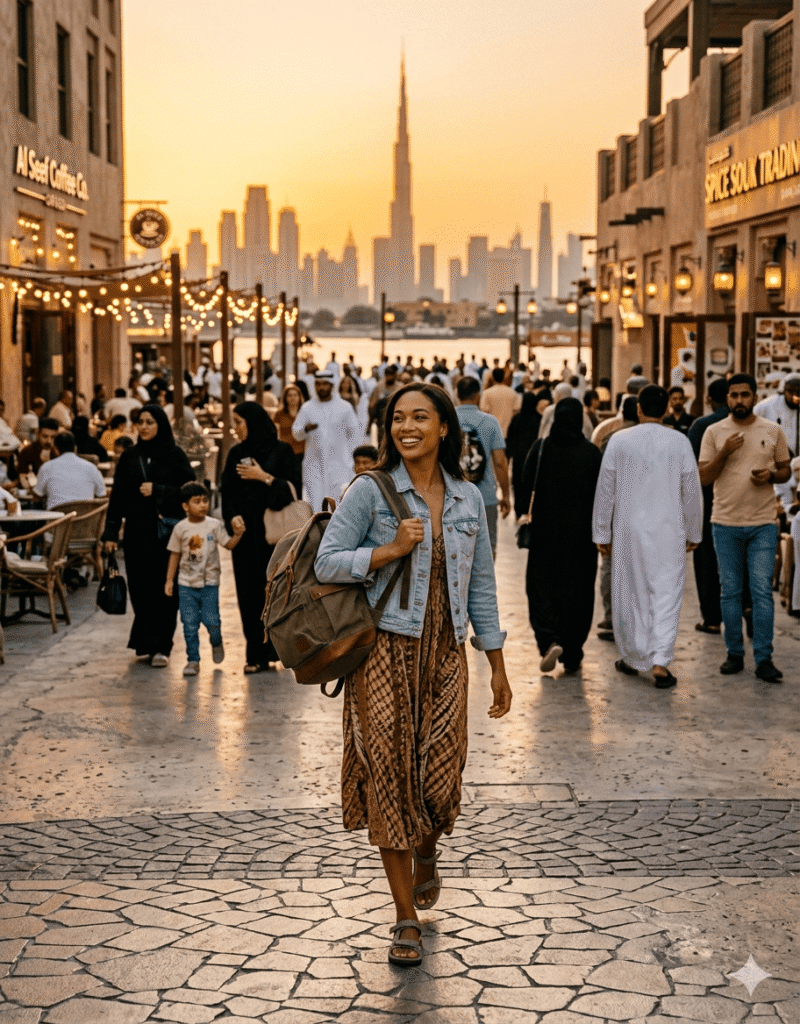
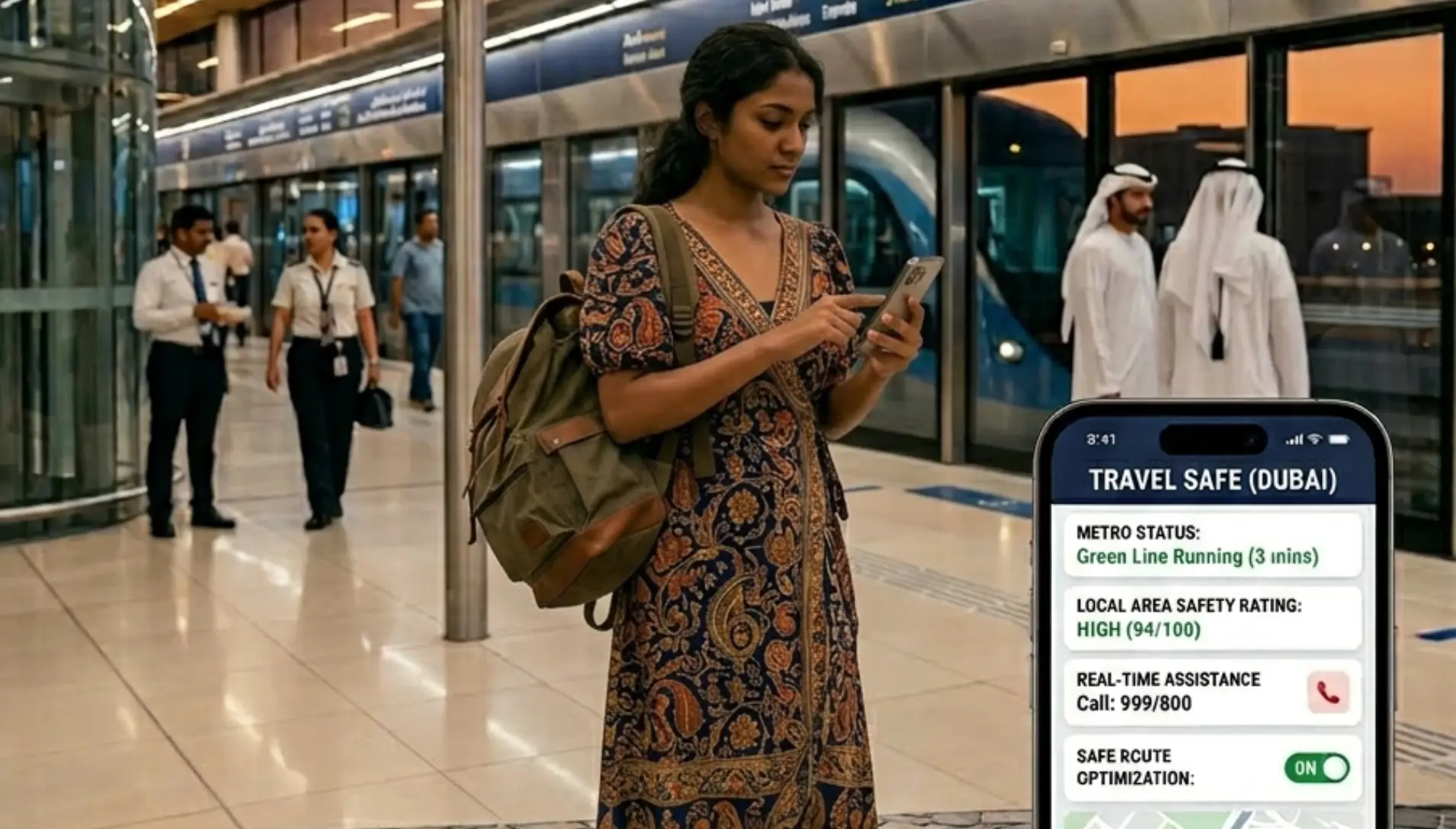
Moreover, the rise of technology has ushered in a suite of tools designed to keep solo travelers informed and secure. Apps like “GeoSure,” which provides real-time safety data for neighborhoods, or “RedZone,” designed for tracking crime patterns in various cities, are proving essential. Travelers can now plan with unprecedented precision, knowing not just where to eat or sleep, but how safe a taxi ride might be or whether to detour around a darker street.
Hotels and hospitality services are also catching up. “Women-only” floors are becoming a popular feature, offering female travelers a sense of security and community. These spaces often come equipped with added security measures, female staff, and amenities designed to cater to women’s specific needs.
Beyond physical safety, destinations are actively working to foster social inclusivity and comfort. Cultural tours tailored for solo women, yoga retreats that emphasize personal growth, and women-centric workshops highlight this evolving landscape. Local guides are also being trained to understand and respect the unique perspectives of female solo travelers, ensuring not just safety, but a pure, authentic travel experience.
This movement is more than just a passing trend—it’s a powerful societal shift where women are reclaiming the narrative. The benefits of such experiences range from boosting confidence to creating invaluable networks with others around the world. As women share their stories and travel tips on blogs, social media, and community forums, they inspire others to embark on their own solo escapades.
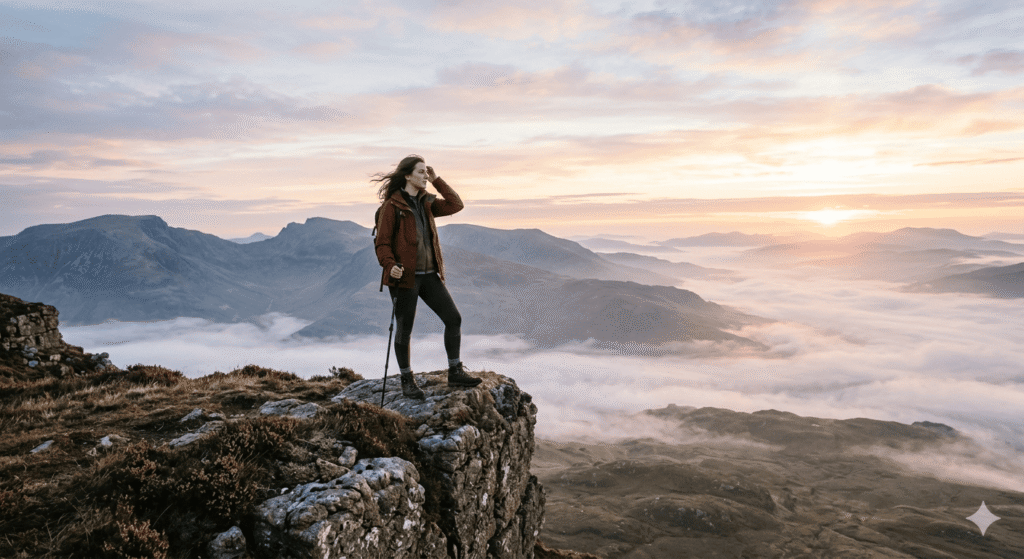
As destinations continue to adapt and evolve, the future of female solo travel looks increasingly promising, urging women to travel not only safely but with an unapologetic spirit of adventure. Whether stepping alone into the bustle of Marrakech’s souks or the serene landscapes of the Scottish Highlands, the message is clear: the world is open, and it’s calling for women to explore it on their own terms.