
In recent years, a subtle yet powerful revolution has been weaving its way into our homes, promising to transform the way we live, sleep, eat, and—above all—care for ourselves. This movement is driven by remarkable advancements in personal health devices, notably in areas such as Skin Tech, Sleep Tech, and Food Tech. These at-home devices …
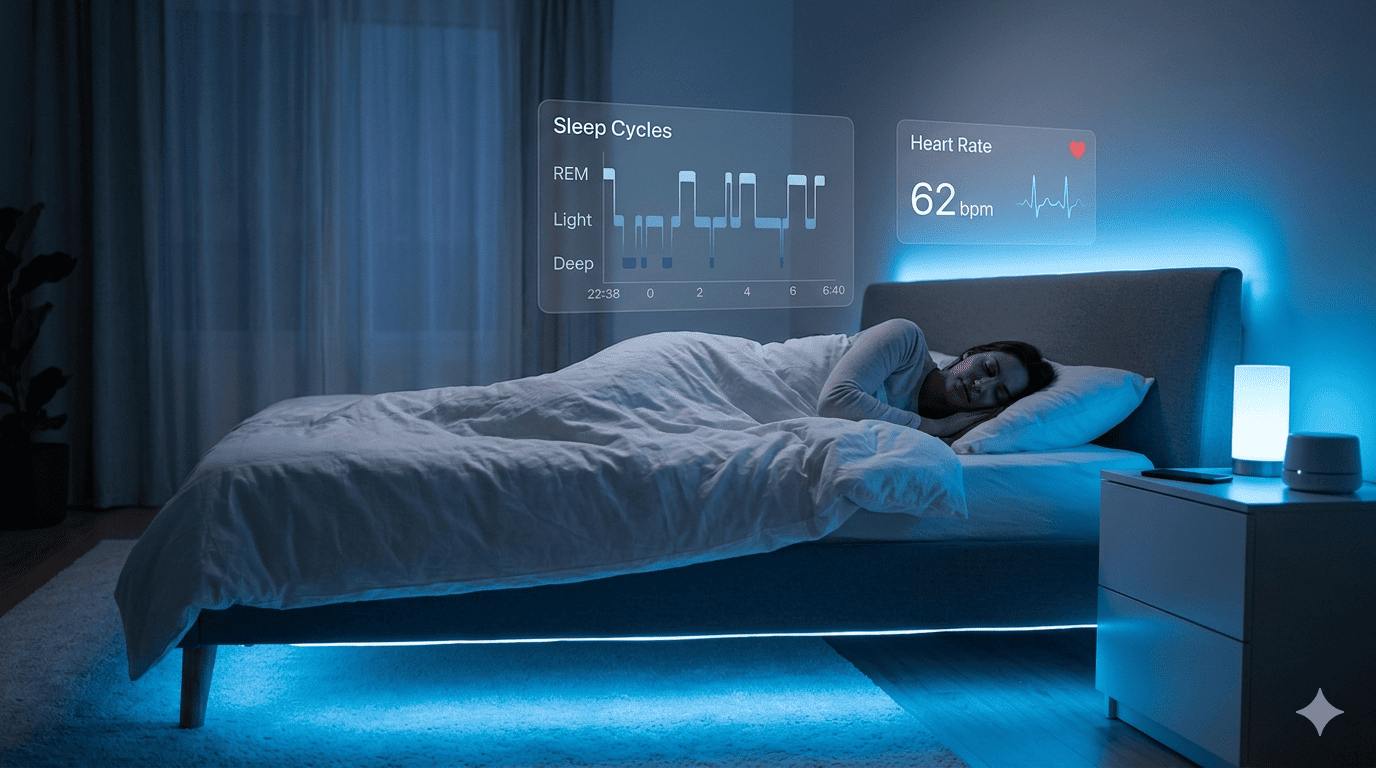
In recent years, a subtle yet powerful revolution has been weaving its way into our homes, promising to transform the way we live, sleep, eat, and—above all—care for ourselves. This movement is driven by remarkable advancements in personal health devices, notably in areas such as Skin Tech, Sleep Tech, and Food Tech. These at-home devices and applications are not just about convenience; they represent a paradigm shift towards proactive health management, empowering individuals to take control of their well-being in innovative ways.
The Skin Tech Surge: More Than Skin-Deep
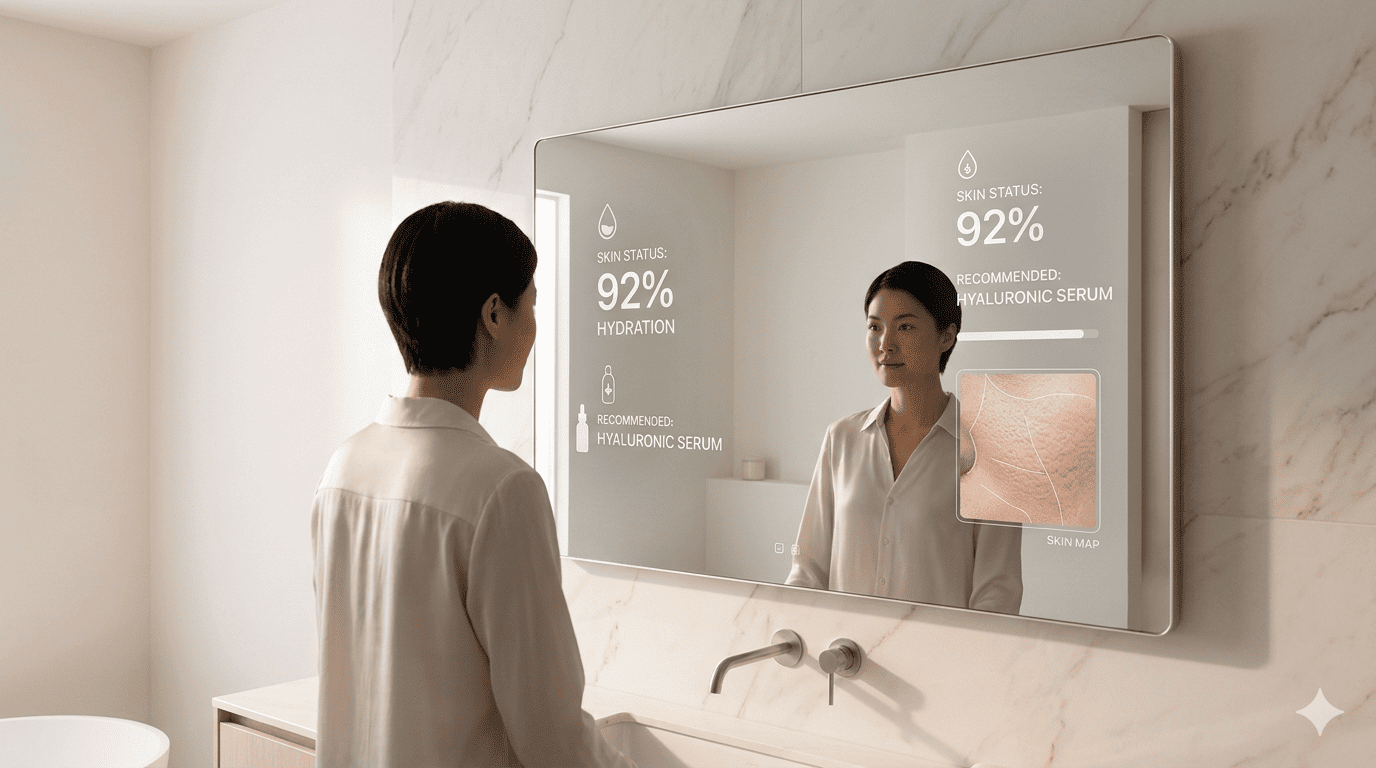
Skin health has traditionally been a realm dominated by spa visits and dermatology appointments. However, a new wave of skin technology devices is putting unprecedented power into the hands of consumers. From smart mirrors to app-connected cleansing brushes, these innovations monitor and improve skin health right from your bathroom.
One standout product is the SkinScanner, a small device that connects to your smartphone, using advanced sensors to analyze your skin hydration and provide personalized skincare insights. Complementary apps recommend products, track progress, and educate users about skincare routines, all fostering a tailored approach to beauty that was once the sole domain of professionals.
Furthermore, LED therapy masks have moved from the exclusive use of dermatologists to everyday households. These non-invasive treatments use varying wavelengths of light to address a range of skin issues, from acne to hyperpigmentation, offering visible results without stepping foot outside your door.
Sleep Tech: Revolutionizing Rest
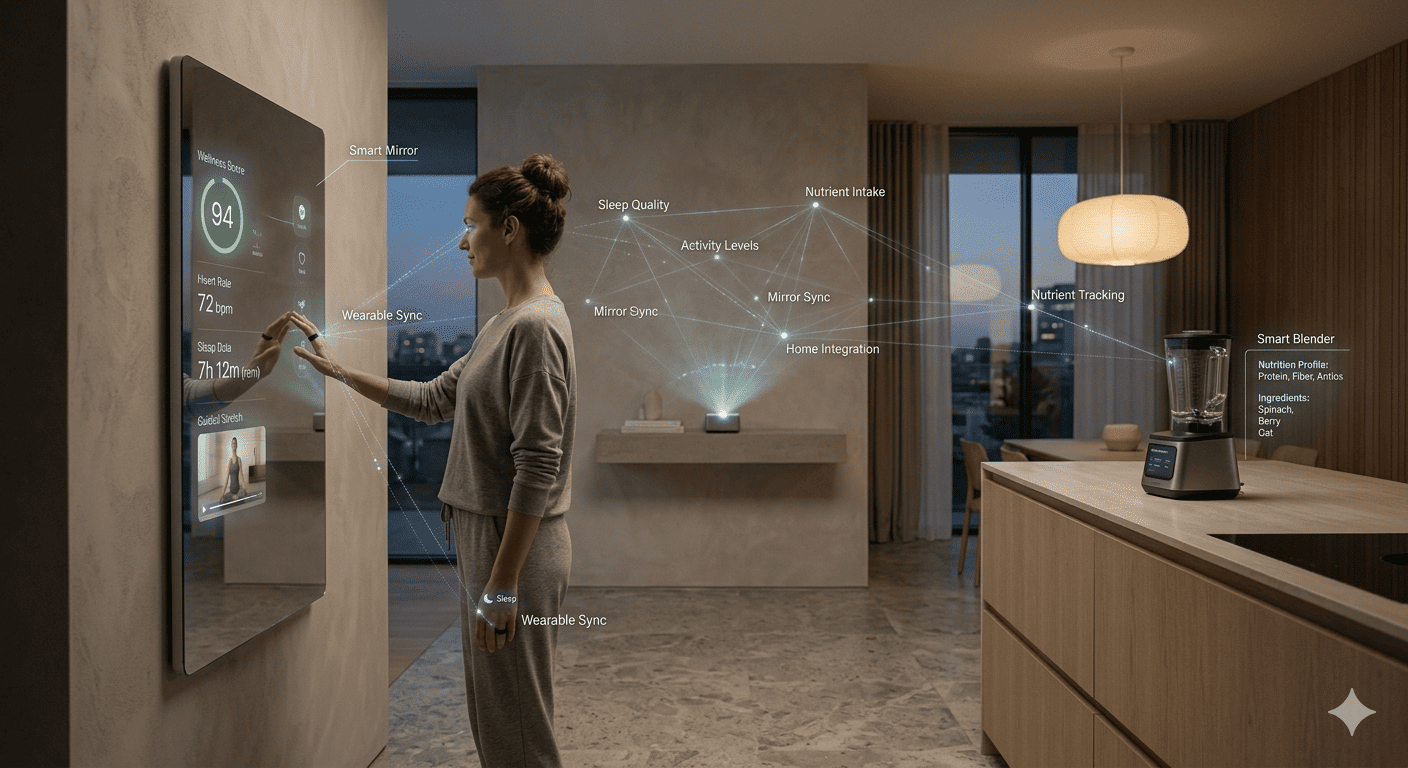
In the sleep technology arena, the approach has shifted from simply tracking sleep patterns to actively promoting better sleep quality. Innovative devices like smart mattresses and pillows adjust in real-time, responding to your body’s needs throughout the night. The result is a targeted improvement in sleep quality, essential for physical and mental health.
Sleep trackers have also evolved, now integrating seamlessly into everyday items like rings or under-mattress sensors that assess everything from your heart rate to REM cycles. These high-tech tools offer extensive insights into the nuances of your sleep, empowering users with data to make impactful lifestyle changes.
Venturing further, advanced sleep tech includes apps that offer personalized sleep coaching. Utilizing the collected data, these apps offer tailored advice, routines, and even guided audio exercises to enhance relaxation and aid users in achieving the elusive perfect night’s sleep.
Food Tech: Nourishing Future Generations
While Skin Tech and Sleep Tech focus on the outer and inner self, Food Tech is about holistic nurturing from within. Food tech devices elevate the concept of personalization in nutrition, marrying dietary needs with technological advancements to promote healthier eating habits.
Leading the charge are smart cooking appliances and apps like guided induction cooktops and nutritional analyzers that provide meal suggestions based on dietary restrictions, preferences, and nutrient needs. Companies like NutriBullet are integrating with apps to analyze your dietary intake and suggest smoothies to optimize your health objectives, whether they are related to weight, energy, or general well-being.
Another fascinating development in Food Tech is the rise of smart kitchen scales and food scanners. These gadgets connect with apps to count calories, measure nutrient intake, and even track macronutrient ratios. For the health-conscious consumer, this can be a game changer, transforming how meals are planned, prepared, and consumed.
The Interconnected Ecosystem
One of the most promising aspects of these technologies is their ability to work in tandem, providing a holistic approach to personal health. More platforms are now integrating data across multiple devices, offering users a comprehensive view of their health metrics.
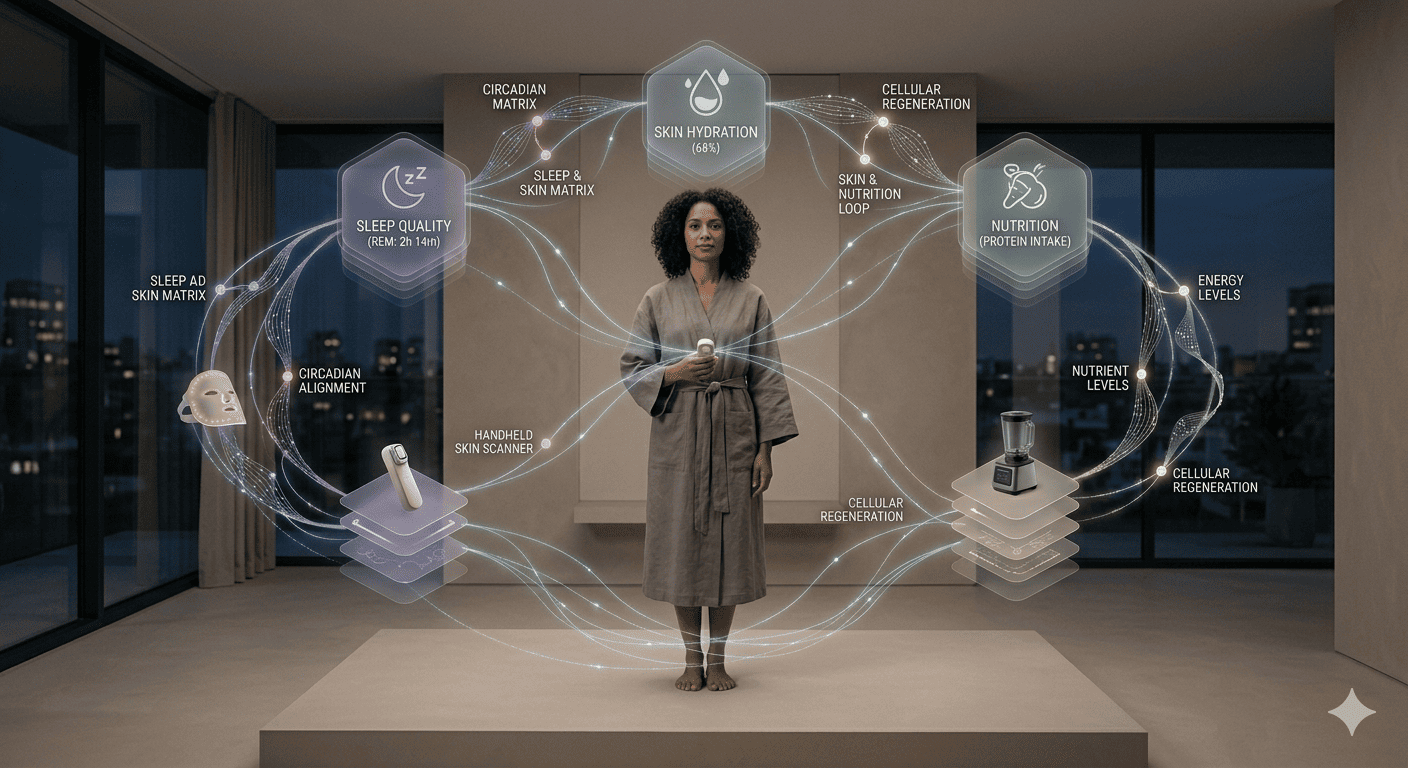
For instance, combining sleep pattern data with dietary intake and skin health insights can help identify correlations that might not be evident otherwise. Such interconnectedness allows users to optimize their lifestyle for better overall health, rather than merely focusing on isolated aspects.
Challenges and Considerations
While the benefits are significant, the rise of at-home health devices also brings challenges. Privacy concerns related to data collection, the learning curve associated with using new technologies, and the digital divide are genuine issues that need addressing. Ensuring that data is handled securely and that these innovative solutions are accessible to all, regardless of socio-economic status, will be pivotal in ensuring that the benefits of this quiet revolution are widely shared.
Moreover, the reliability of the data collected by these devices can vary, stressing the importance of critical evaluation and, when necessary, consultation with healthcare professionals to ensure that lifestyle changes based on this data lead to positive health outcomes.
Leading the Charge Forward
The quiet revolution driven by Skin Tech, Sleep Tech, and Food Tech is dramatically altering the landscape of personal health care. As these technologies become more ubiquitous, they offer unprecedented opportunities for individual empowerment. The future promises even more sophisticated and user-friendly devices, deeper integration across tech platforms, and improved access for all.
In embracing these innovations, we are not just adopting new gadgets; we are participating in a transformation that blurs the lines between technology and health. Indeed, the future of personal health is here, quietly revolutionizing our lives, one device at a time.