In today's fast-paced world, the concept of wellness is undergoing a profound transformation. No longer confined to the realm of personal care, wellness has evolved into a status symbol and a strategic investment in oneself. As individuals increasingly seek ways to cultivate mental, physical, and emotional well-being, the lines between health, wealth, and status are …
In today’s fast-paced world, the concept of wellness is undergoing a profound transformation. No longer confined to the realm of personal care, wellness has evolved into a status symbol and a strategic investment in oneself. As individuals increasingly seek ways to cultivate mental, physical, and emotional well-being, the lines between health, wealth, and status are blurring. This evolution is reshaping industries and redefining the meaning of living well.
The Rise of Wellness as a Status Symbol
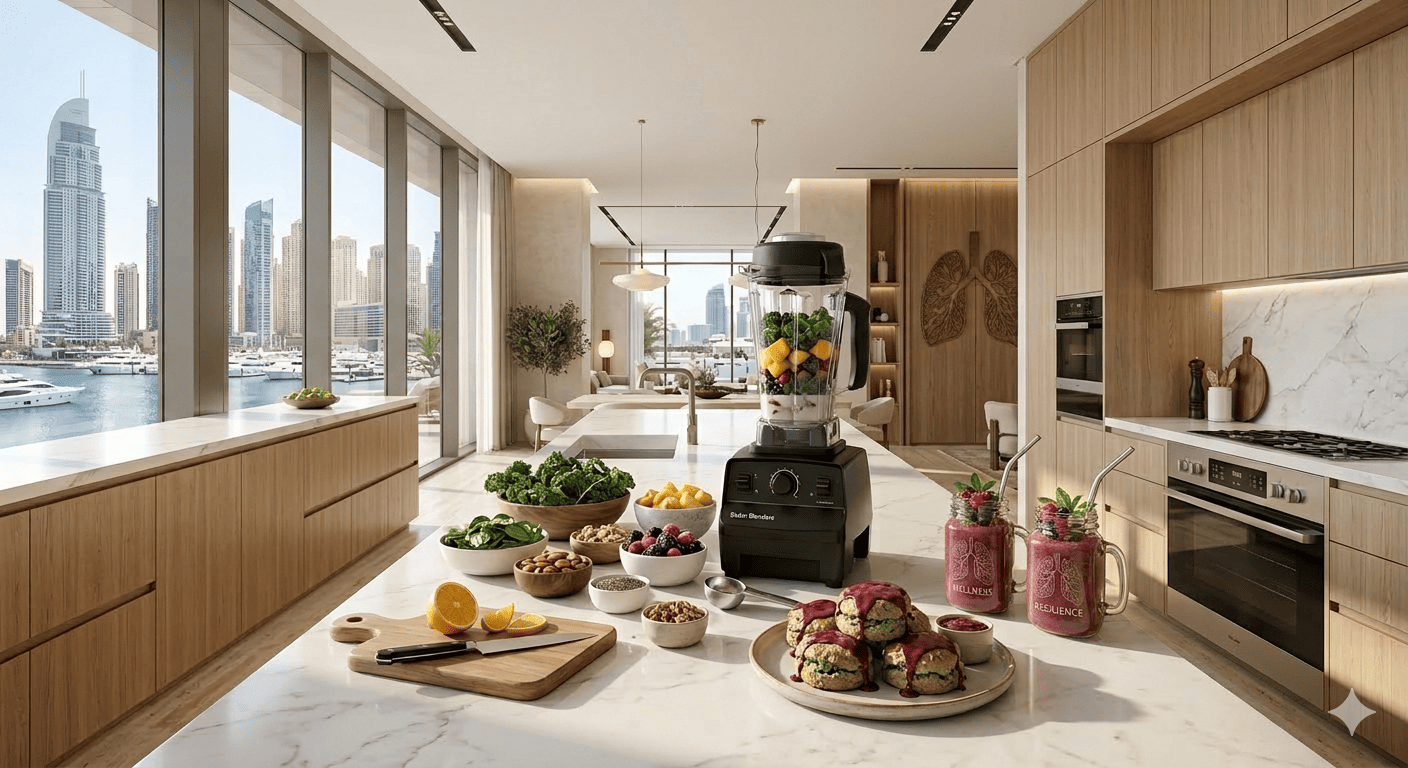
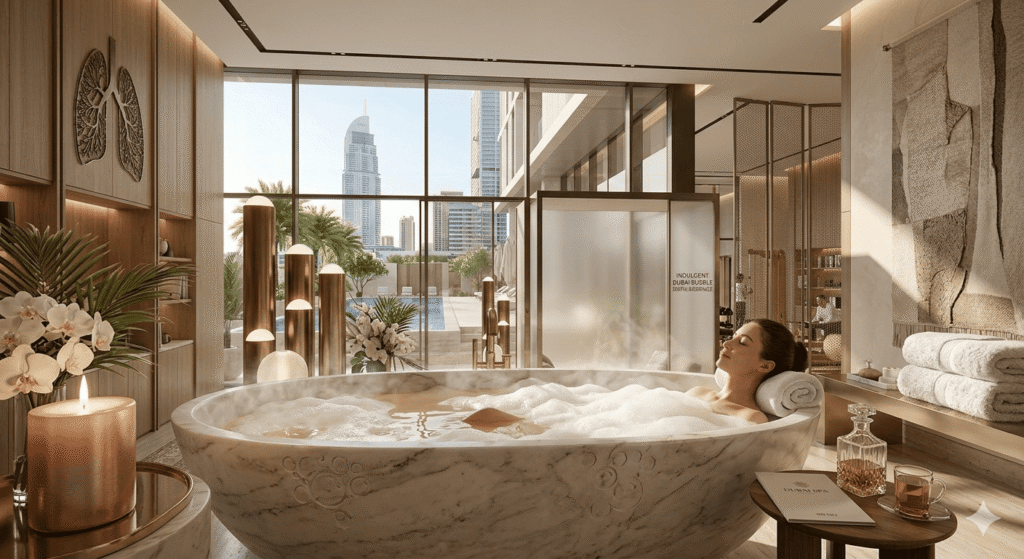
In previous decades, wellness was often synonymous with simple acts of self-care—taking a bubble bath, practicing yoga at home, or indulging in a healthy smoothie. However, the new wave of wellness is far more intricate and outwardly focused. It is marked by the desire not just for personal fulfillment but also for societal validation.
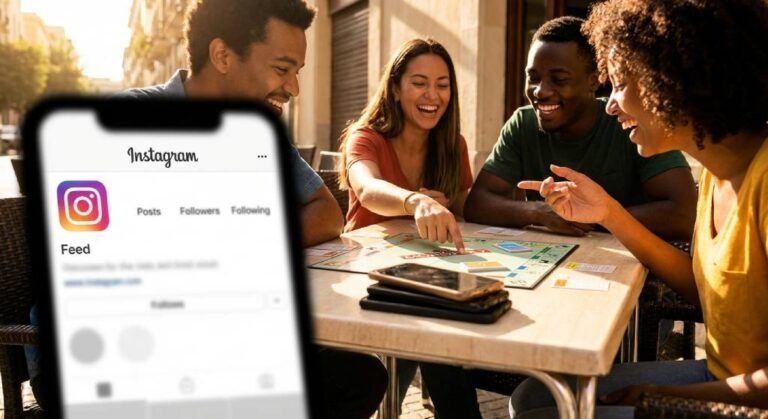
Social media has played a significant role in this shift. Platforms like Instagram and TikTok have created spaces where wellness can be showcased as a lifestyle. Acclaimed luxury retreats, expensive fitness memberships, bespoke health foods, and cutting-edge wellness technologies have become badges of honor. This form of wellness is expressed not only through personal health but also through a curated image of a life optimally lived.
Celebrities and influencers have further fueled this transformation, often sharing glimpses into their wellness routines, complete with private meditation sessions, visits to exclusive wellness centers, and personalized dieticians. This exposure has led to an association of wellness with affluence, drawing a line between basic self-care and an elevated, status-driven approach to well-being.
Wellness as Self-Investment
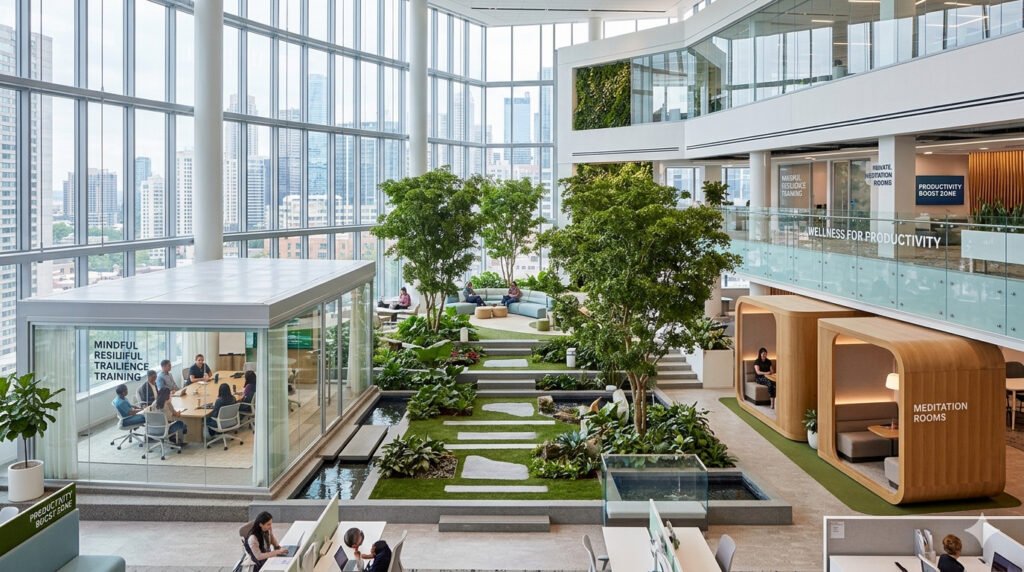
Beyond being a status symbol, wellness is increasingly seen as an investment in one’s future. The workplace has embraced this idea as organizations recognize the benefits of investing in employee well-being. Corporations offer wellness programs, mindful resilience training, and even meditation rooms to boost productivity and morale, underscoring a new economic paradigm where personal health is directly linked to professional advancement.
Individuals, too, are viewing wellness through an investment lens. The idea is simple: investing time and resources in health today can lead to reduced healthcare costs and increased longevity tomorrow. The concept of “health as wealth” is gaining traction, where people prioritize preventive healthcare, mental health support, and comprehensive wellness plans to safeguard their future. This is evident in the rising popularity of preventive health check-ups, DNA testing for personalized nutrition, and wearable technology that provides continuous health monitoring.
The Global Wellness Economy: A Market on the Rise
As wellness becomes a prioritized lifestyle choice, it has also blossomed into a booming industry. According to the Global Wellness Institute, the wellness economy is estimated to be worth over $4.5 trillion, encompassing sectors such as fitness, nutrition, beauty, and personal care, among others.
Corporate and consumer spending alike have contributed to this remarkable growth. From start-ups exploring innovative wellness technologies to established brands expanding their product lines to include mental health and mindfulness offerings, the wellness industry is marked by dynamic evolution and competition. Brands like Peloton and Apple have integrated fitness and health into their core offerings, appealing to the consumer who values health as part of their lifestyle.
The Future of Wellness: Holistic and Inclusive
While the trend towards wellness as a status symbol and investment is clear, it is crucial that the movement grows more inclusive and holistic. The challenge lies in making wellness accessible to a broader demographic, beyond those with disposable incomes.
In recent years, there has been a conscientious push towards democratizing wellness. Initiatives aimed at providing community-based wellness programs, affordable organic food options, and public mental health resources are gaining momentum. The aim is to ensure that the wellness revolution does not just cater to a select few but becomes a fundamental right, accessible to all.
Moreover, a renewed focus on holistic wellness is necessary. True wellness embraces not only physical fitness and nutrition but also mental clarity, emotional peace, and spiritual growth. The path forward involves integrating traditional practices like meditation, Ayurveda, and herbal medicine with modern science and technology.
Conclusion
Wellness as a concept is becoming ever more expansive. What began as simple self-care has transformed into a multi-faceted blend of status symbol and self-investment. In this evolutionary journey, the greatest potential lies in creating a world where wellness is both a personal and collective pursuit. By prioritizing inclusivity and holistic health, wellness can transcend its status-driven perception, evolving into a balanced, comprehensive approach to living fully and healthily.
As we continue this evolutionary path, the ultimate goal is clear: to create a society where wellness is not only desirable but obtainable by all, ensuring happier, healthier lives for everyone, irrespective of their background or economic status.