In an era where self-care is no longer seen as a luxury but a necessity, the rise of private wellness clubs is rapidly transforming how we approach health and social interactions. Positioned at the intersection of boutique gyms, opulent spas, and intimate social clubs, wellness clubs are redefining what it means to foster a community …
In an era where self-care is no longer seen as a luxury but a necessity, the rise of private wellness clubs is rapidly transforming how we approach health and social interactions. Positioned at the intersection of boutique gyms, opulent spas, and intimate social clubs, wellness clubs are redefining what it means to foster a community around holistic wellbeing.
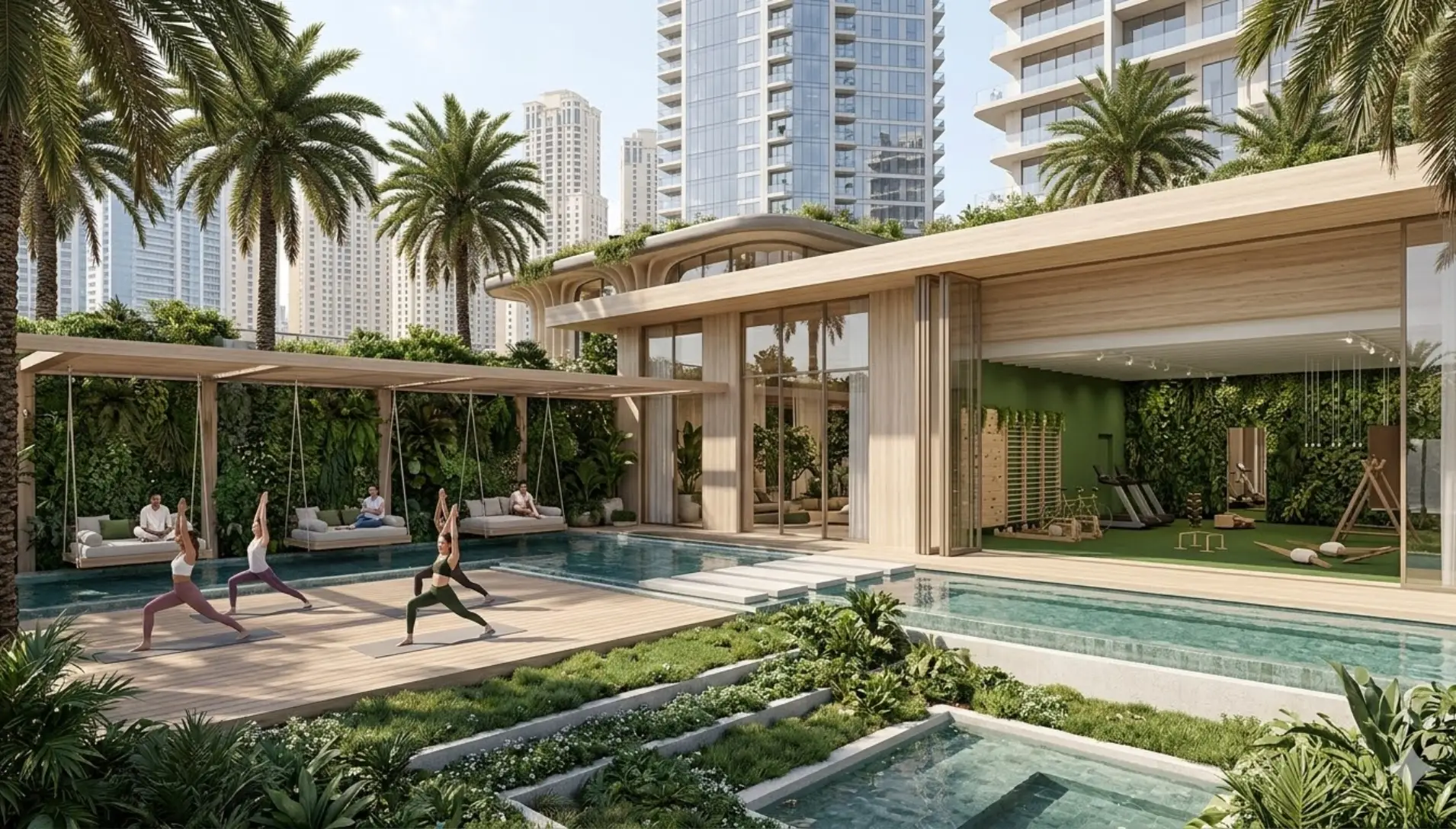
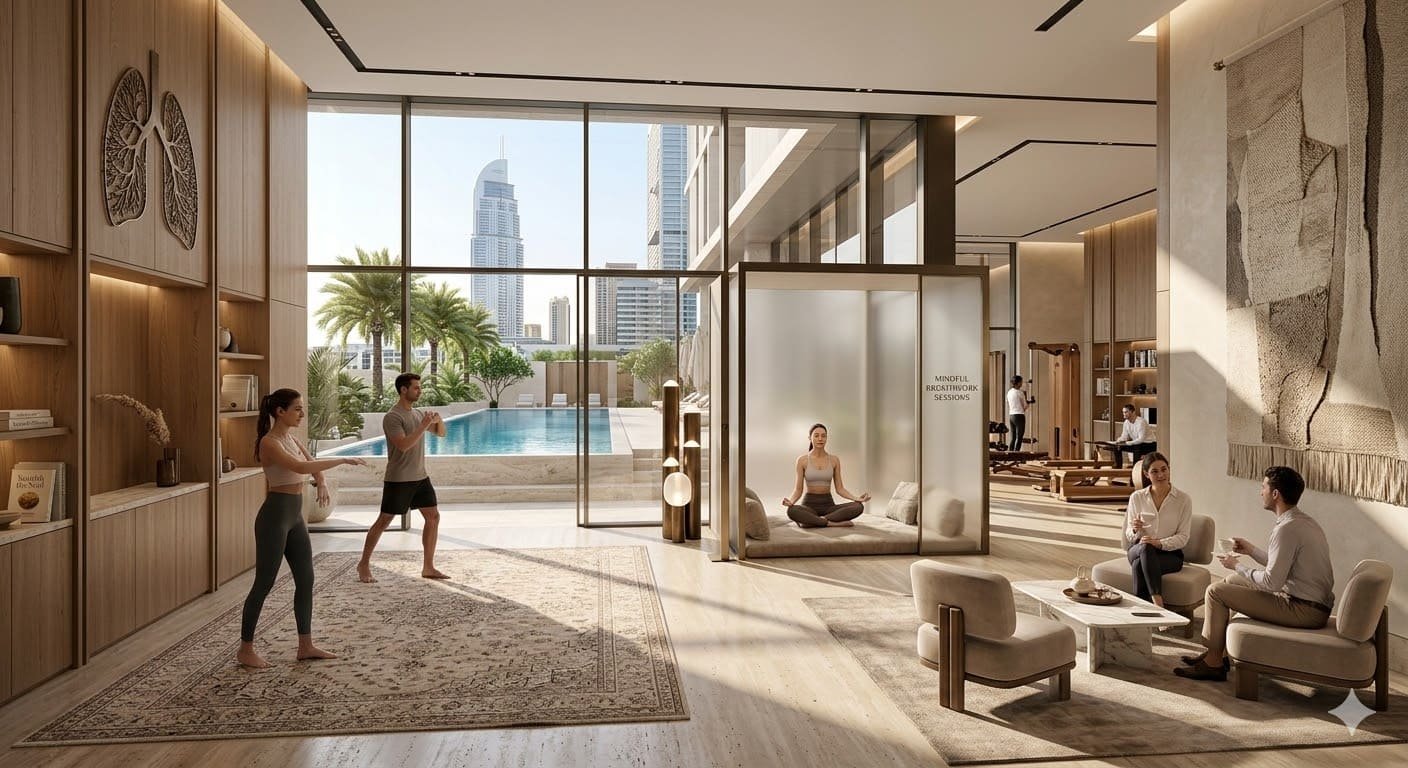
Gone are the days when fitness regimes were confined to the sterile environments of gym chains or the occasional yoga class. Wellness clubs, chic in their decor and exclusive in ethos, offer a comprehensive approach to health, emphasizing not just the physical, but the mental, emotional, and social facets of wellbeing. These spaces distinguish themselves by offering members access to a gamut of health services, state-of-the-art fitness facilities, meditation rooms, and even enriched cultural programming aimed at nourishing the soul.
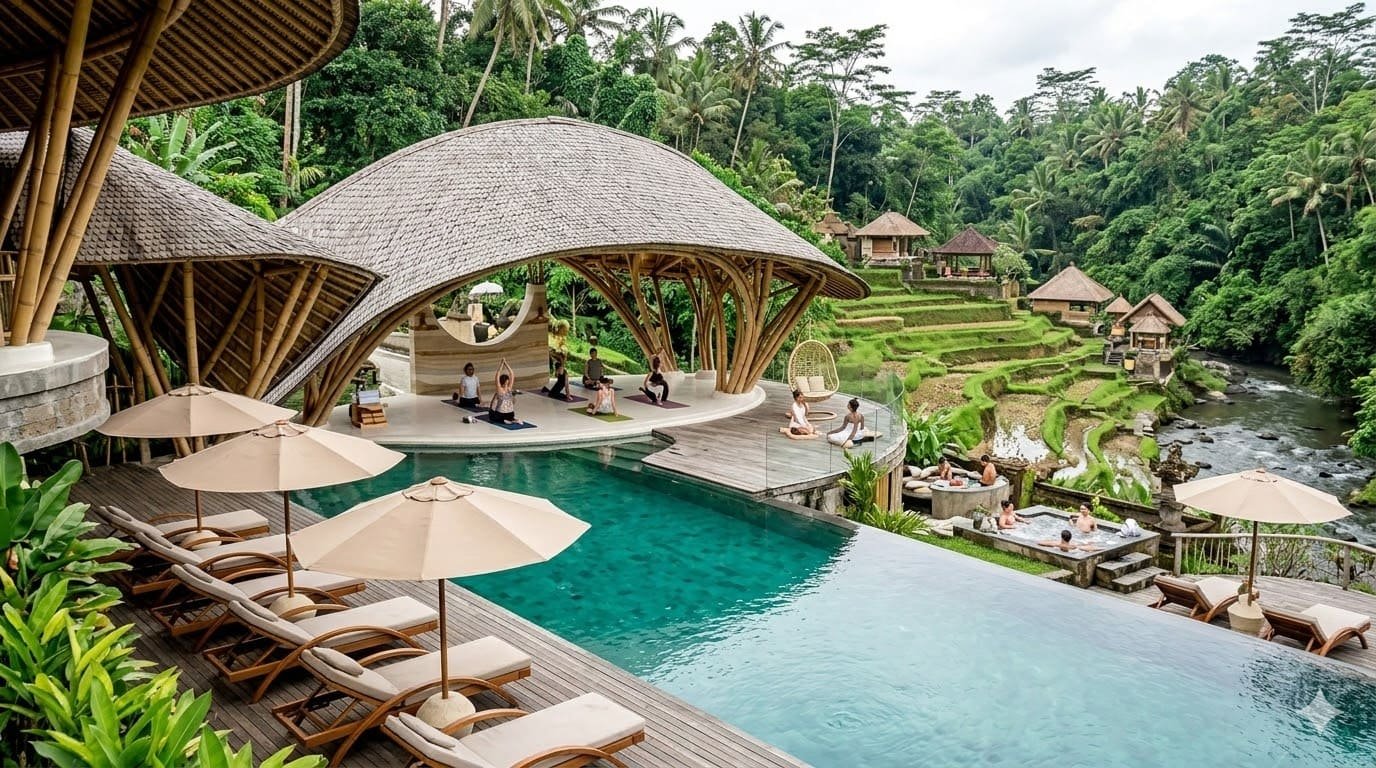
The trend of private wellness clubs first gained traction in major metropolitan areas, where there was a noticeable demand for more personalized and elevated fitness experiences. Cities like New York, Los Angeles, and London have seen a boom in these facilities, enticing not just fitness enthusiasts but also professionals looking for a refuge. With amenities like meditation pods, nutritional counseling, personalized fitness plans, and high-end spa treatments, these environments are crafted to cater to the unique needs of their communities.
More than just gyms with a fancy facelift, today’s wellness clubs are carving a niche for themselves by integrating a social element into the wellness mix. They serve as micro-communities where individuals can connect over shared interests, whether through organized events, workshops, or simply the casual conversations that happen over a freshly pressed juice in the club’s lounge. This aspect of social connectivity is particularly appealing in today’s digital age, where genuine interpersonal interaction is often sidelined.
“It’s essentially a holistic lifestyle club,” explains Sarah Thompson, co-founder of a prominent wellness club in Chicago. “Our members come here not just to work out or relax, but to be a part of a community that values health and wellness as a collective journey.”
Despite their perks and posh settings, these clubs are not without their critics. The exclusivity, often marked by high membership fees and invite-only passes, can be perceived as reinforcing socioeconomic divides. Yet, proponents argue that such spaces fill a significant niche in the market, catering to individuals willing to invest heavily in their wellness journey.
As the wellness industry continues to grow at an unprecedented rate, so does the demand for such all-encompassing spaces. According to a recent industry report, the global wellness economy is projected to exceed its $4 trillion valuation, with wellness tourism and the rise of wellness lifestyle spaces leading the charge.
So are these clubs a mere fad or a fundamental shift in how we approach fitness and socialization? The answer might lie somewhere in-between. While traditional gyms and standalone spas will always have their place, the amalgamation seen in wellness clubs is contributing to the evolving nature of personal and communal health. For those seeking personalization, diversity of services, and a deeper sense of community, wellness clubs may very well represent the future of health.
Ultimately, as the boundaries between our social lives and wellness habits continue to blur, the rise of these members-only spaces offers not just a retreat from the daily grind but a new way to connect with others on the path to better living. Whether you’re in it for the physical gains, the mental peace, or the burgeoning community, there’s no denying that the allure of wellness clubs is becoming a permanent feature in the landscape of modern urban life.