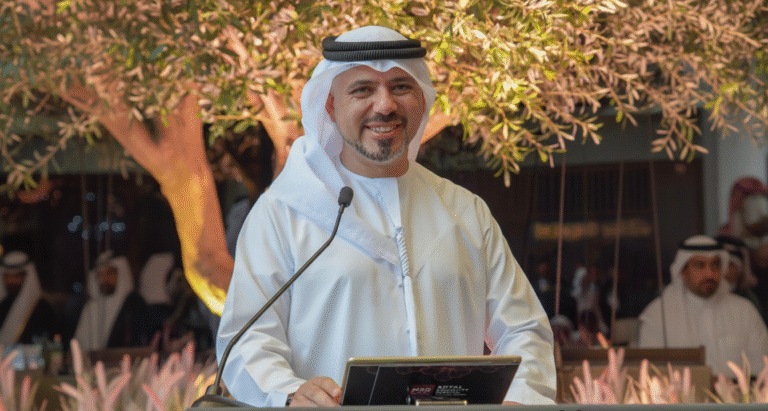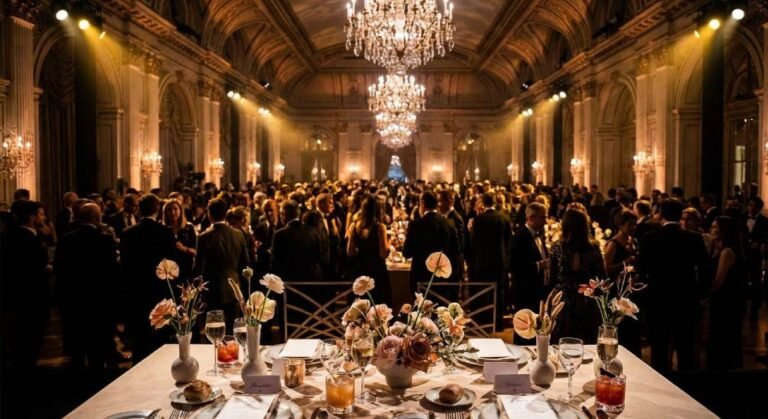
The transformation of the Middle East into a cultural powerhouse has been marked by the burgeoning popularity of regional art fairs.
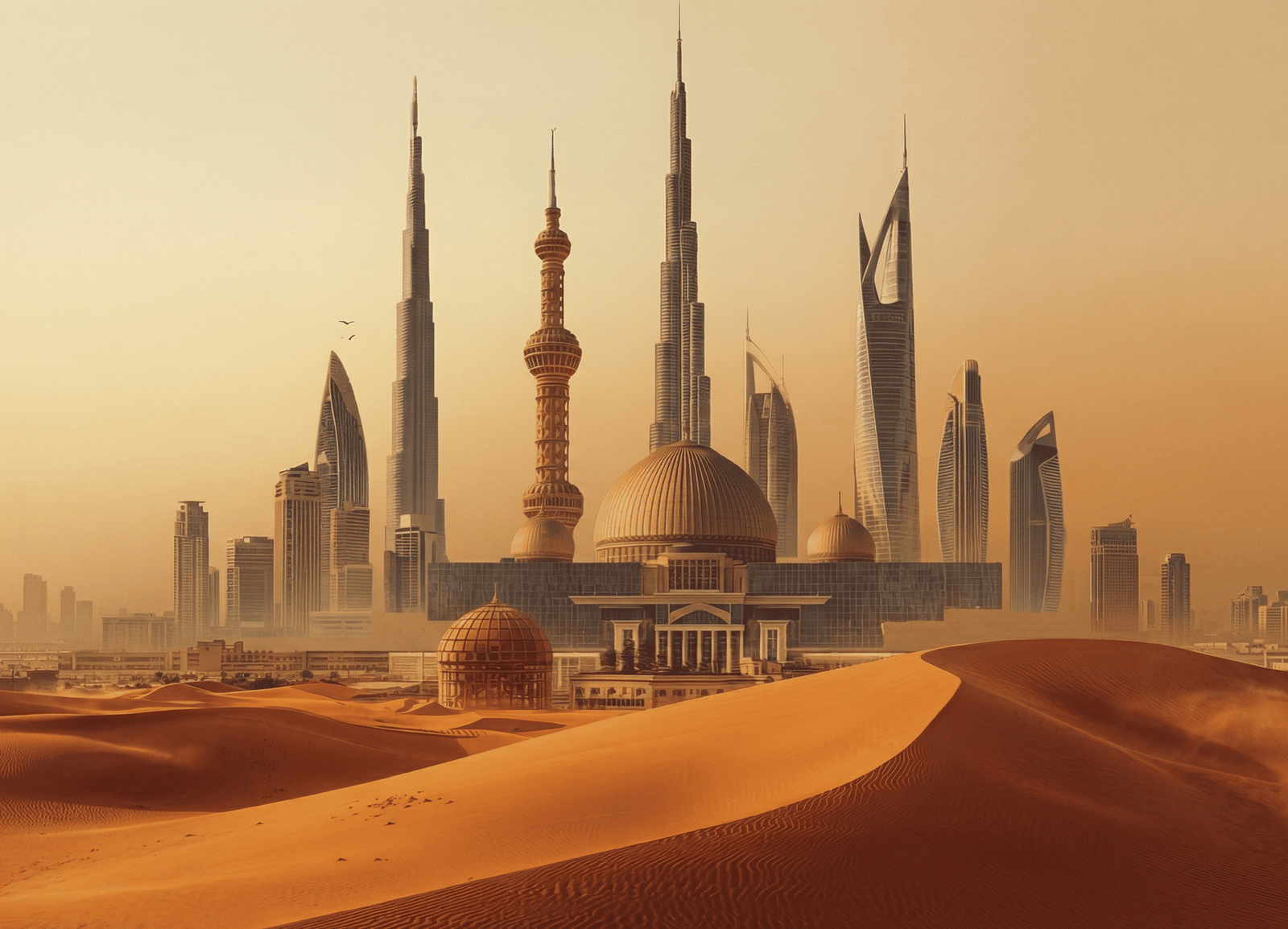
The Middle East has long been a crossroads of history, where ancient trade routes converged and empires rose and fell. In recent years, however, this storied region is increasingly becoming the world’s cultural spotlight, with cities like Dubai and Doha leading a new wave of artistic and cultural renaissance. Through the leveraging of regional art fairs, mega-events, and cutting-edge design museums, these cities are enhancing their global visibility, strengthening their soft power, and boosting tourism. But what does this transformation entail, and what does it mean for the global cultural landscape?
A New Cultural Canvas: The Rise of Regional Art Fairs
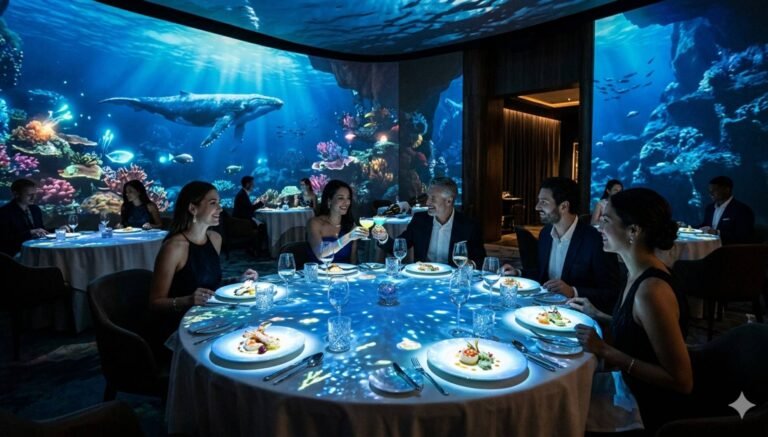
The transformation of the Middle East into a cultural powerhouse has been marked by the burgeoning popularity of regional art fairs. Events like Art Dubai and the Doha branch of the Art Basel series are not merely exhibitions; they are celebrations of creativity that draw in artists, collectors, and aficionados from every corner of the world. These fairs have successfully positioned the region as a burgeoning frontier in the global art market, breaking away from its traditionally Western-centric influence.
Art Dubai, one of the most prestigious fairs, is rich with innovation and diversity, showcasing everything from contemporary and modern works to digital art. This event not only spotlights local talent but also facilitates cross-cultural exchanges, fostering a vibrant dialogue between Eastern and Western art traditions. Similarly, the launch of Art Basel in Doha underscores the region’s ambition to become a hub for art practitioners and enthusiasts, turning the Gulf states into an indispensable stop on the international art circuit.
Mega-Events: The World’s New Stage
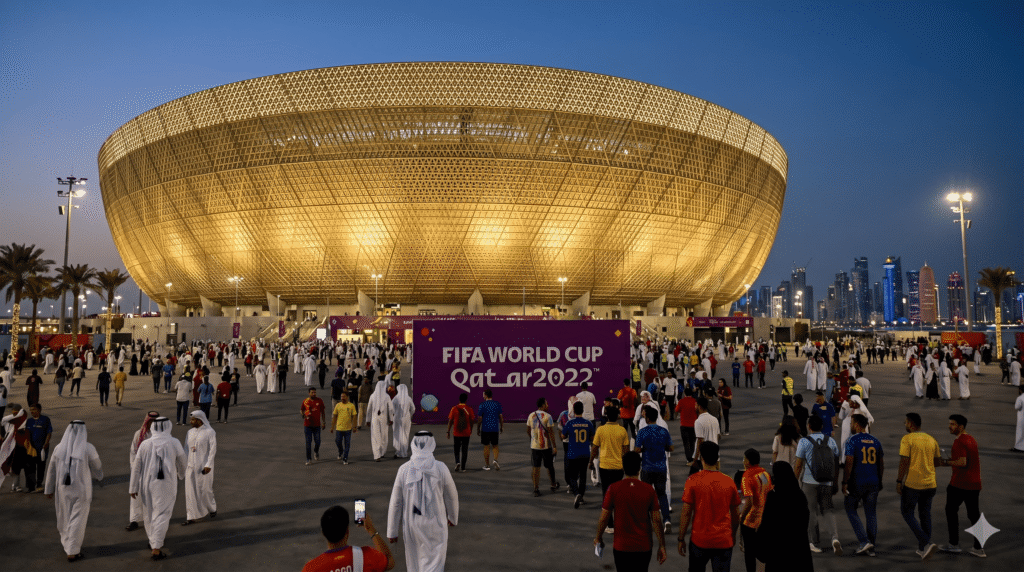
Beyond art fairs, the Middle East is redefining its image through an impressive array of mega-events. The 2022 FIFA World Cup in Qatar, for instance, showcased Doha’s ability to host an event of global significance with such grandeur and organizational precision that it left a lasting impression. It was more than just a sporting spectacle; it was a cultural showcase highlighting regional heritage, hospitality, and innovation. The stadiums themselves—architectural masterpieces blending modern design with traditional Arabian aesthetics—stood as a testament to the region’s unique cultural amalgamation.
Expo 2020 Dubai, though delayed by the pandemic, further cemented the city’s reputation as a dynamic international venue. With pavilions from 192 countries, it emphasized sustainability, opportunity, and mobility, echoing themes that resonate on a global scale. These mega-events not only serve to attract international visitors but also promote intercultural understanding and cooperation.
Design Museums: Guardians of Heritage and Innovation
In addition to transient art showcases and events, the sustenance of culture also requires lasting institutions—enter the prominent design museums cropping up across the Middle East. The Louvre Abu Dhabi, designed by architect Jean Nouvel, exemplifies the region’s commitment to preserving and celebrating world culture. Housing artifacts that span time and geography, the museum acts as a bridge between the Middle Eastern and Western worlds, positioning Abu Dhabi as a key player in the global museum landscape.
Similarly, the National Museum of Qatar, a brainchild of acclaimed architect Jean Nouvel, is a modern marvel designed to resemble a desert rose. It stands as a poignant narrative about the region’s past, present, and future. These museums do more than just exhibit; they interpret and translate the cultural ethos of a region that is both rooted in tradition and keen on innovation.
The Power of Soft Power
Cultural initiatives in the Middle East are more than just matters of national pride; they are deliberate strategies to elevate the region’s soft power on the global stage. Countries like the UAE and Qatar are utilizing culture as a means to foster a more nuanced global understanding, promote intercultural dialogue, and shape a narrative that is often clouded by geopolitical tensions. Through culture and art, these nations are crafting images that emphasize peace, creativity, and intellectual openness, pivoting away from stereotypes that have long afflicted the region.
In this unfolding narrative, culture becomes a tool for diplomatic engagement and economic growth. Tourism, an essential driver of economic diversification plans, is set to benefit significantly. Cities like Dubai and Doha are emerging not only as tourist destinations but as capitals of culture where visitors are invited to not only witness but participate in the unfolding cultural symphony of the modern Middle East.
A Vision for the Future
As Dubai and Doha continue to soar in cultural prominence, the broader implications for the region and the world are profound. The establishment of cultural dialogue through art and events endows these cities with fresh dynamism and allure. Indeed, the Middle East’s bid to become the world’s new cultural stage is a multifaceted effort—rooted in the arts, imbued in mega-events, and endorsed by world-class design museums.
Looking ahead, the Middle East’s capacity to sustain this cultural endeavor will depend on its ability to innovate while respecting and acknowledging its rich history. The story of transformation from the deserts of Arabia to the dazzling museums and galleries of today reaffirms not only the region’s transformative journey but also its place in the global conversation. As such, the pages of history are being rewritten, illustrating a Middle East that stands not only as a geopolitical bridge but as a cultural beacon for the world.